
What Is Lessor Risk Coverage LRO
LRO is coverage your leasing company requires, naming itself on your policy so it's protected if the car is wrecked or stolen.

A leased sedan written off after a flood
A driver leased a sedan and insured it the same way she'd insured cars she owned before, picking liability limits she thought were reasonable and skipping anything that felt optional. A few months in, a flash flood totaled the car in a parking garage. The insurer valued the car at its actual cash value, which was lower than what she still owed on the lease because of how leases are structured early on.
Because her leasing company required gap coverage as part of its LRO terms, the difference between the payout and the payoff was covered instead of landing on her. She still had to work through the claim, provide the lease paperwork, and wait for the insurer and the leasing company to settle between themselves, but she didn't have to write a check for a car she no longer had. Had she skipped gap coverage, thinking her liability limits were enough, she would have owed the shortfall out of pocket.
Does LRO cost extra or is it built into my regular policy?
LRO isn't a separate product you shop for. It's a set of requirements your leasing company attaches to a standard auto policy, so you meet them by adjusting the coverage you already carry, not by buying something new.
What usually changes is your liability limits going up and comprehensive and collision becoming mandatory instead of optional, plus the leasing company being added as an additional interested party or loss payee. Each of those pieces can raise your premium somewhat, and gap coverage if required adds a bit more. The total depends on your insurer, your state, and the specific lease, so get a quote that reflects the leasing company's actual requirements rather than guessing.

Now that you know what your leasing company requires, compare quotes that already meet those terms.
Why leasing companies set these terms and how claims actually work
A leasing company owns the car for the length of your lease, so when it sets insurance requirements, it's protecting an asset it still holds title to, not just looking out for you. That's why the limits are usually higher than what an owner might choose on their own, and why comprehensive and collision aren't optional the way they might be on a paid-off car. The leasing company is exposed to the car's full value, and your policy is the only thing standing between a bad accident and that company absorbing the loss.
Adding the leasing company as an additional interested party or loss payee changes how claims are paid out. If the car is totaled or stolen, the insurer doesn't just cut you a check. It coordinates with the leasing company, which has a financial stake in the payout, to make sure the lease balance gets addressed first. This is also where gap coverage matters most, because a car's insured value and its lease payoff amount often diverge, especially in the early part of a lease when depreciation outpaces what you've paid down.
There are cases where the requirements differ. Some states regulate how insurers must handle leased vehicles or what notice a leasing company must receive before a policy lapses, so the exact mechanics of a claim can shift depending on where you live. Some insurers also bundle gap coverage automatically for leases while others treat it as a separate add-on you have to request, so check your policy documents rather than assuming either way.
When the lease ends without an incident, LRO stops mattering. It only comes into play if something happens to the car while the leasing company still owns it, which is the entire stretch of time you're making payments.
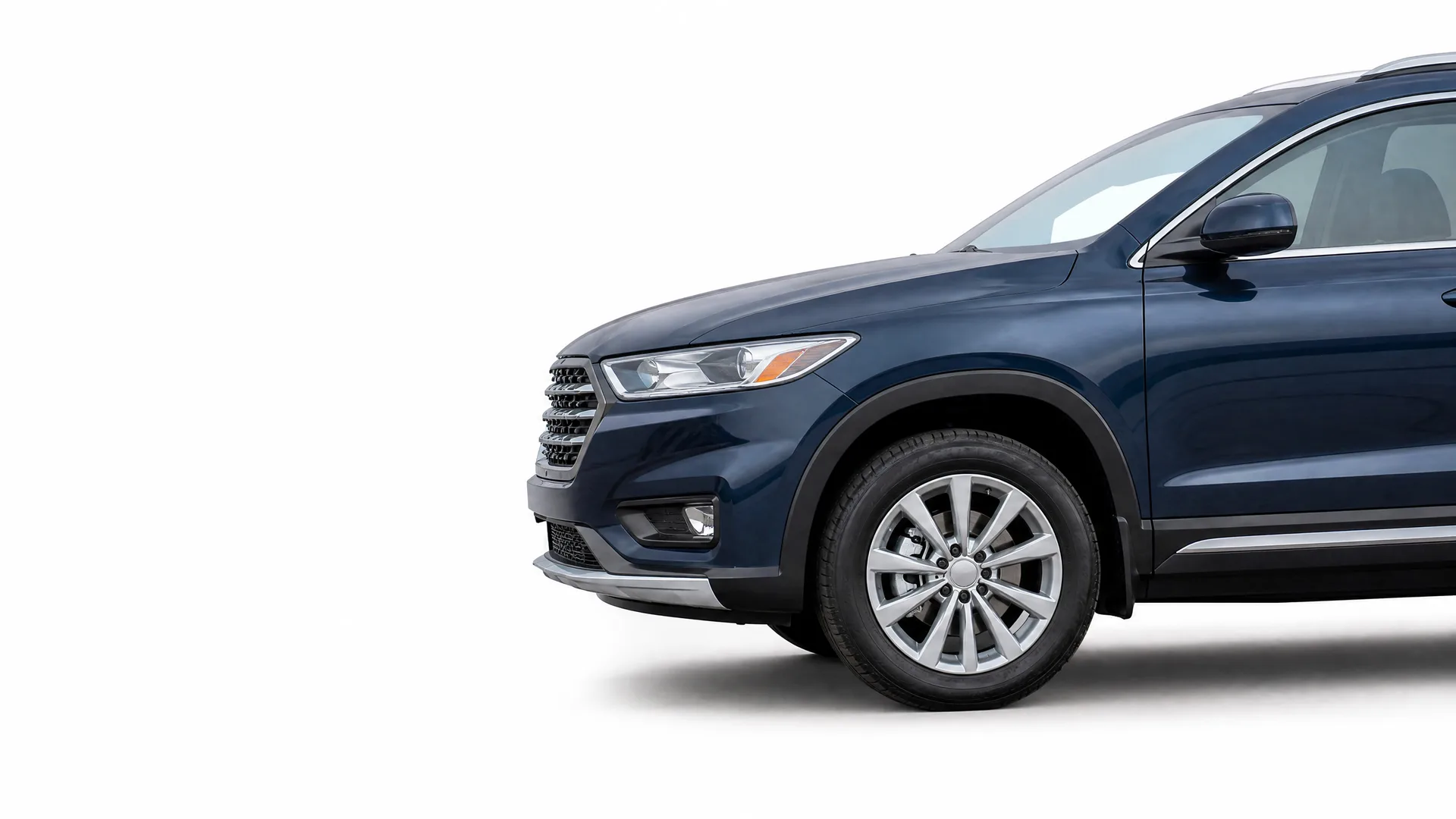
Your insurance protects the leasing company's asset, not just your liability. The requirements are the point.
Do I need gap insurance if I already have LRO coverage?
Often yes, because LRO and gap insurance solve different problems. LRO sets the baseline coverage and limits your leasing company requires, while gap coverage specifically pays the difference between what your insurer says the car is worth and what you still owe if it's totaled or stolen. Many leasing companies require both, but some bundle gap into the lease agreement itself rather than your auto policy. Check your lease contract to see if gap is already included before you pay for it twice.
What happens to my coverage requirements if I transfer my lease to someone else?
The new lessee typically has to meet the same insurance requirements you did, since the leasing company's interest in the car doesn't change. You'll want written confirmation that your name comes off the policy and the lease once the transfer completes, so you're not still liable if something happens afterward. Transfer rules vary by leasing company and sometimes by state, so check the lease agreement for specific transfer procedures and timelines before assuming you're fully released.
Can I switch insurers partway through a lease without violating my LRO terms?
Yes, as long as the new policy meets the same requirements your leasing company set, including the right liability limits, comprehensive and collision coverage, and the leasing company listed correctly as a loss payee or additional interested party. The switch itself isn't the issue, a gap in coverage or missing paperwork is. Notify your leasing company of the change and confirm they've received proof of the new policy, since an unnoticed lapse can trigger force-placed insurance that costs more and covers less.