Why Leasing Companies Require Higher Limits
The leasing company owns the car, so it sets insurance limits that protect its investment, not just you.
The Car Isn't Yours, So Their Risk Isn't Yours
When you lease a car, the leasing company holds the title. You're paying to use something that still belongs to them, and if it's totaled or stolen, they're the ones who lose an asset. Their insurance requirements exist to make sure that loss is covered no matter what happens to you financially.
An owned car only needs to satisfy what you decide you can afford to lose. A leased car has a second party with money on the line, and that party has no say in how carefully you drive or maintain it. Higher liability limits and mandatory comprehensive and collision coverage are how they manage a risk they can't otherwise control.
There's also the matter of value. A new or recent-model car is worth more than most people realize until it's sitting in a repair shop or a salvage yard. Minimum coverage levels set by your state were never designed to fully replace a car like this. The leasing company's limits are closer to what the car is actually worth.
This is why the requirements can feel disconnected from how you'd normally insure a car. You're not choosing coverage based only on your own risk tolerance anymore. You're meeting a contract term, and the lease agreement itself will tell you exactly what's required, so read it instead of guessing.

What The Lease Actually Requires
- Read the lease contract The specific coverage requirements are spelled out in your lease agreement, not in general advice. Find that section before you shop for coverage.
- Higher liability limits Leases typically require liability limits above your state's minimum. This protects the leasing company from lawsuits tied to a car they technically own.
- Comprehensive and collision Unlike an owned car, you can't skip this coverage to save money. The lease requires it for as long as you're making payments.
- Gap coverage closes the gap If the car is totaled, your insurer pays its current value, not what you still owe. Gap coverage covers that difference so you're not paying for a car you no longer have.
- List the lessor on your policy Many leases require the leasing company listed as a loss payee or additional interest. Call your insurer to add this correctly so claims get paid as the lease expects.

Now that you know what your lease requires, compare quotes that meet those limits without paying for more than you need.

Buying Exactly What The Lease Requires
If you do
You meet every limit the lease specifies, including gap coverage. If the car is totaled or stolen, your payout covers what you owe, not just the car's depreciated value. You avoid lease-end disputes over coverage gaps and keep the leasing company's interest properly protected throughout the term.
If you don't
You risk violating the lease agreement, which can mean fines or forced-placed insurance that costs far more and covers only the leasing company's interest. If the car is totaled, you could owe the remaining lease balance out of pocket. Turn-in inspections may also flag issues you assumed were covered.
When A Leased Car Was Stolen Before Full Coverage Kicked In
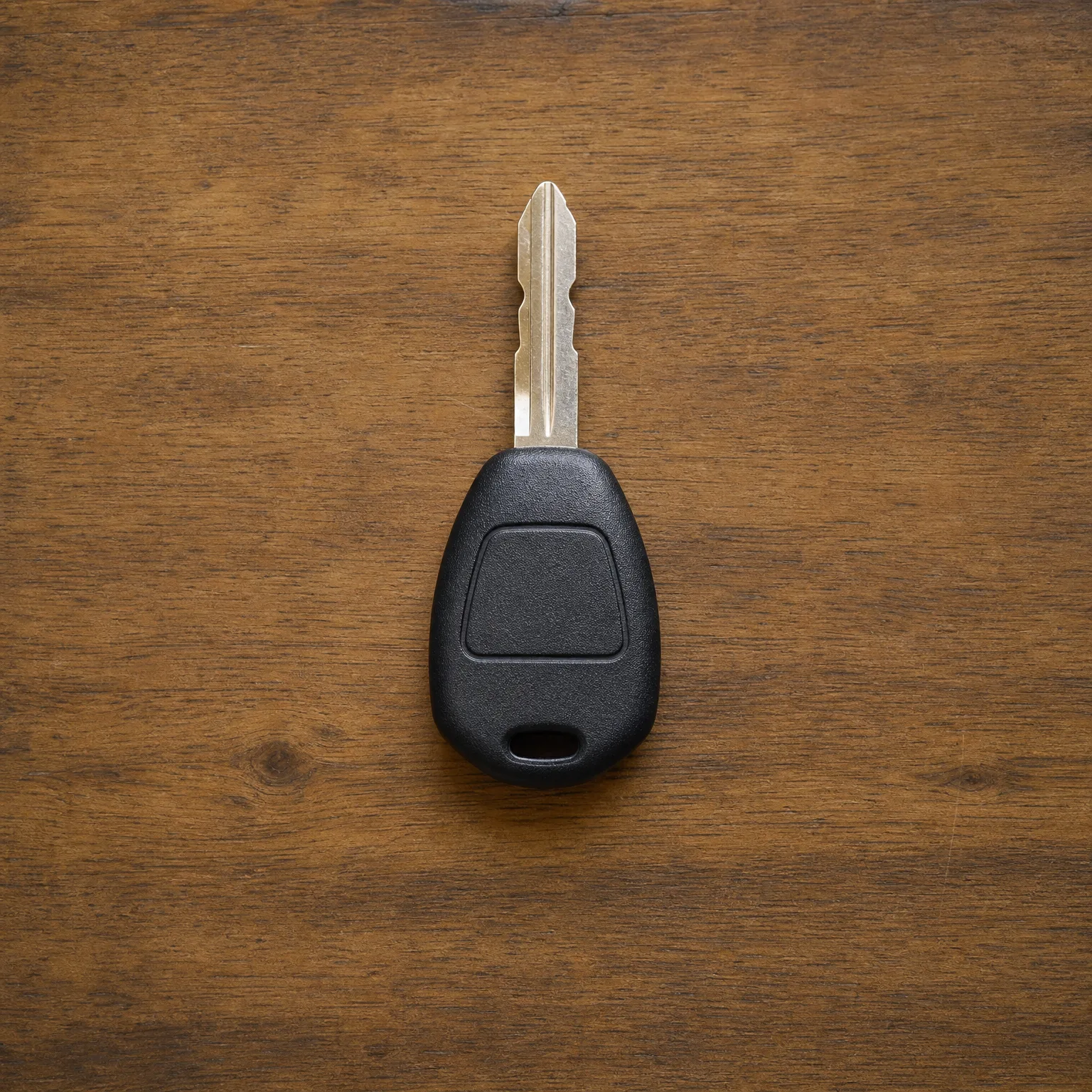
A driver leased a car and planned to add gap coverage within the first month, since the dealership mentioned it but didn't require proof at signing. Before that happened, the car was stolen and never recovered. The auto insurer paid out the car's actual cash value, which was lower than the remaining lease balance because of how quickly new cars lose value.
Without gap coverage in place, the driver owed the leasing company the difference directly, several thousand dollars for a car they no longer had and never owned. They ended up negotiating a payment plan with the leasing company's finance arm. The lesson that stuck with them was simple: gap coverage needs to start the same day the lease does, not whenever it's convenient, because the risk it covers doesn't wait for paperwork.
What happens to my insurance requirements if I buy out the lease?
The moment you buy out the lease, the car is legally yours, and the leasing company's insurance requirements no longer apply. You can adjust your coverage to match what you'd choose for any owned car, which often means lower liability limits or dropping comprehensive and collision if the car's value no longer justifies the cost.
Gap coverage becomes optional too, since there's no lease balance that could exceed the car's value. Check with your insurer before making changes, since your policy may still reference the leasing company as a loss payee until you formally update it after the buyout. Some insurers handle this automatically when you send proof of the title transfer, others require you to call and request the change yourself.