Wear and Tear vs Insurance Claims
Insurance pays for sudden, accidental damage, not for the gradual wear that comes from simply driving and aging the car.
Insurance covers accidents, not the passage of time
Car insurance exists to pay for sudden, unexpected loss. A collision, a hailstorm, a theft, these are events with a clear moment they happened. Wear and tear has no moment. Worn tires, faded paint, a cracked dashboard from sun exposure, these build up over months or years of ordinary use. No insurer will pay to replace them because nothing insurable occurred, the car just got older doing what cars do.
This matters more on a lease because the leasing company inspects the car when you return it and charges you directly for anything beyond normal wear. That charge has nothing to do with your insurance policy. Your insurer was never going to pay for a scuffed bumper or worn brake pads, lease or no lease, so there's no coverage gap to fill there. The lessor's wear standard and your insurance policy are answering two completely different questions.
Where it gets confusing is the gray area between wear and damage. A small parking lot ding might be written up as excess wear by the lessor but could also be filed as a claim if you know who caused it and want your insurer to pursue them. The distinction isn't always obvious in the moment, so judgment matters. Filing a claim for something an insurer will likely call wear and tear just costs you a claim on your record for nothing.
What counts as normal wear varies by leasing company, and some are stricter than others about things like tire tread or interior stains. Check your lease agreement's wear and tear standard directly, since that's the document that decides turn-in charges, not your insurance policy.
The short version
Insurance pays for sudden accidental damage, wear and tear is just aging and normal use, and the two never overlap. At lease turn-in, excess wear charges come from the leasing company, not your insurer, so don't expect a claim to cover them. Read your lease's wear standard now so you know what you're actually responsible for.
A curbed wheel and a cracked windshield at the same inspection
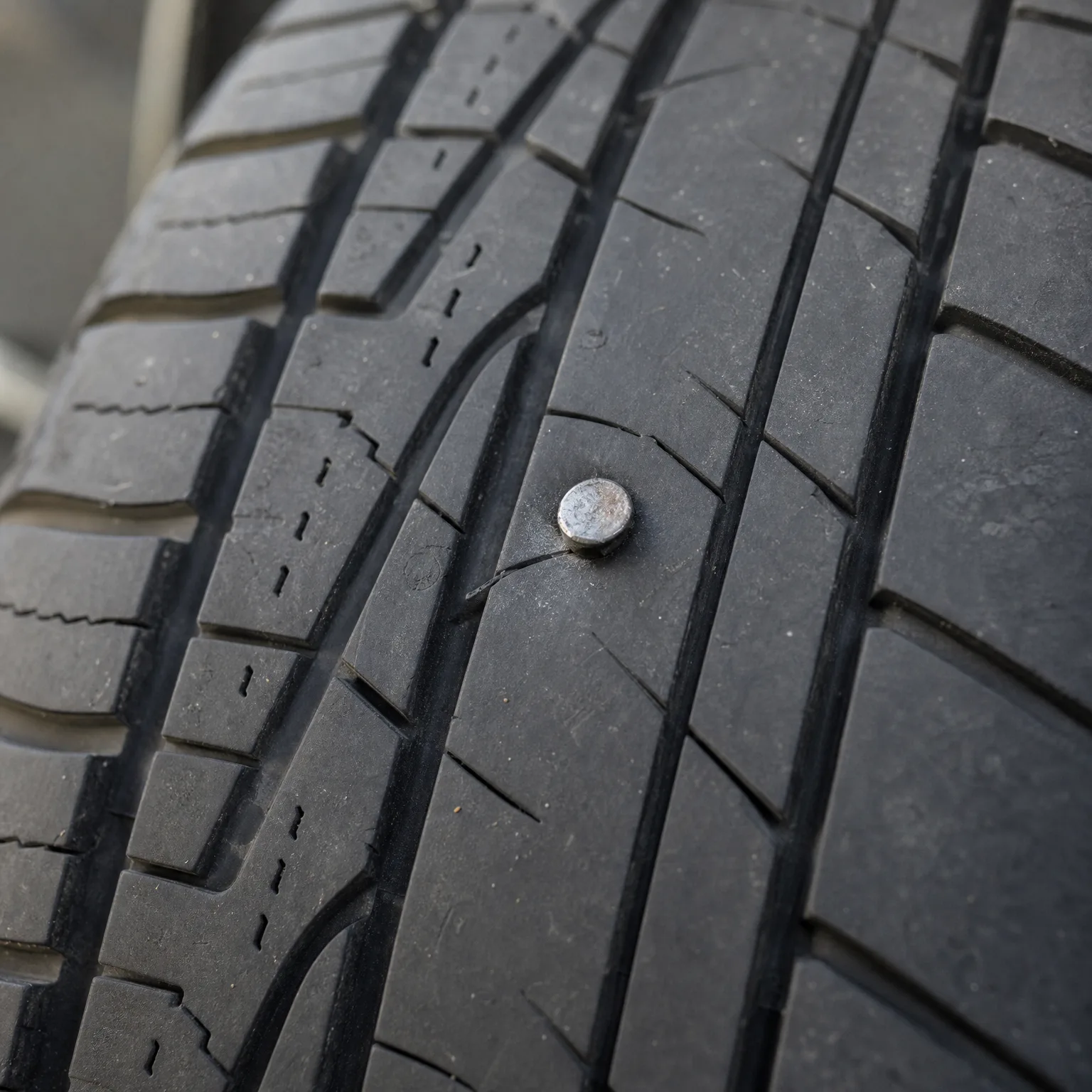
Say you lease a car and over three years the front tires wear down faster than expected because of how you drive, one wheel picks up a curb scuff from parallel parking, and a rock chip on the highway turns into a cracked windshield. At turn-in, the leasing company's inspector flags all three. You assume insurance should help since the car got damaged on your watch.
The tire wear and the curb scuff get billed to you directly as excess wear, because neither was a sudden covered event, they're just the cost of using the car for three years. The cracked windshield is different. That rock chip was sudden and accidental, so if you'd filed a glass claim when it happened, your insurer would likely have covered the repair and you'd have avoided that charge entirely at turn-in. The lesson here isn't about the inspection, it's about timing. Filing claims for accidental damage as it happens, rather than waiting for the lessor to find it later, is what actually protects you.
Now that you know who pays for what, compare quotes to get the right coverage before your lease inspection.

What separates a wear charge from a covered claim
- Suddenness is the test If you can point to the moment it happened, like a crash or a storm, it's likely a covered claim. If it built up slowly, it's wear and tear and insurance won't touch it.
- Lease terms differ from policies Your lease agreement defines excess wear on its own terms, separate from any insurance policy. Read that document directly instead of assuming your coverage overlaps with it.
- File damage as it happens A rock chip or dent should be claimed when it happens, not left for the lessor to flag at turn-in. Waiting just turns a covered loss into a bill you pay yourself.
- Cosmetic claims rarely pay off Filing a claim for a small ding or scuff usually costs more in future premium than it saves, since insurers often call it wear anyway. Save claims for real accidental damage.
- Know the wear checklist Ask for the specific wear and tear standard before turn-in, covering tires, glass, interior and body. It tells you exactly what to fix yourself versus what to let go.
Your insurer never covered normal aging, so stop looking there and read your lease's wear standard instead.