When You Lease a Car Who Pays for Repairs
You pay for most repairs through your own insurance, while the leasing company only steps in for excess wear at turn-in.
You're insuring a car you'll give back, not one you keep
The leasing company owns the car for the life of the lease, but they are not the ones who pay when it gets damaged. That responsibility sits with you, the same as if you owned it outright. Your insurance policy is what pays for a collision, a stolen car, or a cracked windshield, because you are the one who agreed to keep it insured as a condition of the lease.
What the leasing company controls is the paperwork, not the claims process. They set minimum coverage amounts higher than a typical owner might carry, because they want the payout to be enough to cover what's still owed on the car. They also set the standard for what counts as normal wear versus damage you'll be billed for when you turn the car in. Those two things, your insurance and their turn-in inspection, work separately but both matter.
Where it gets confusing is the gap between what a car is worth and what you still owe. Leased cars often depreciate faster than the lease payments reduce what's owed, especially early on. If the car is totaled or stolen, a standard insurance payout covers the car's value, not the remaining lease balance. That gap is real money, and it's why leasing companies require a specific kind of coverage to close it.
What varies is how each leasing company phrases its requirements and how each state treats gap coverage, since in some states it's bundled into the lease and in others you buy it separately. Check your lease agreement for the exact coverage minimums and check whether gap coverage is already included before you assume you need to buy it.
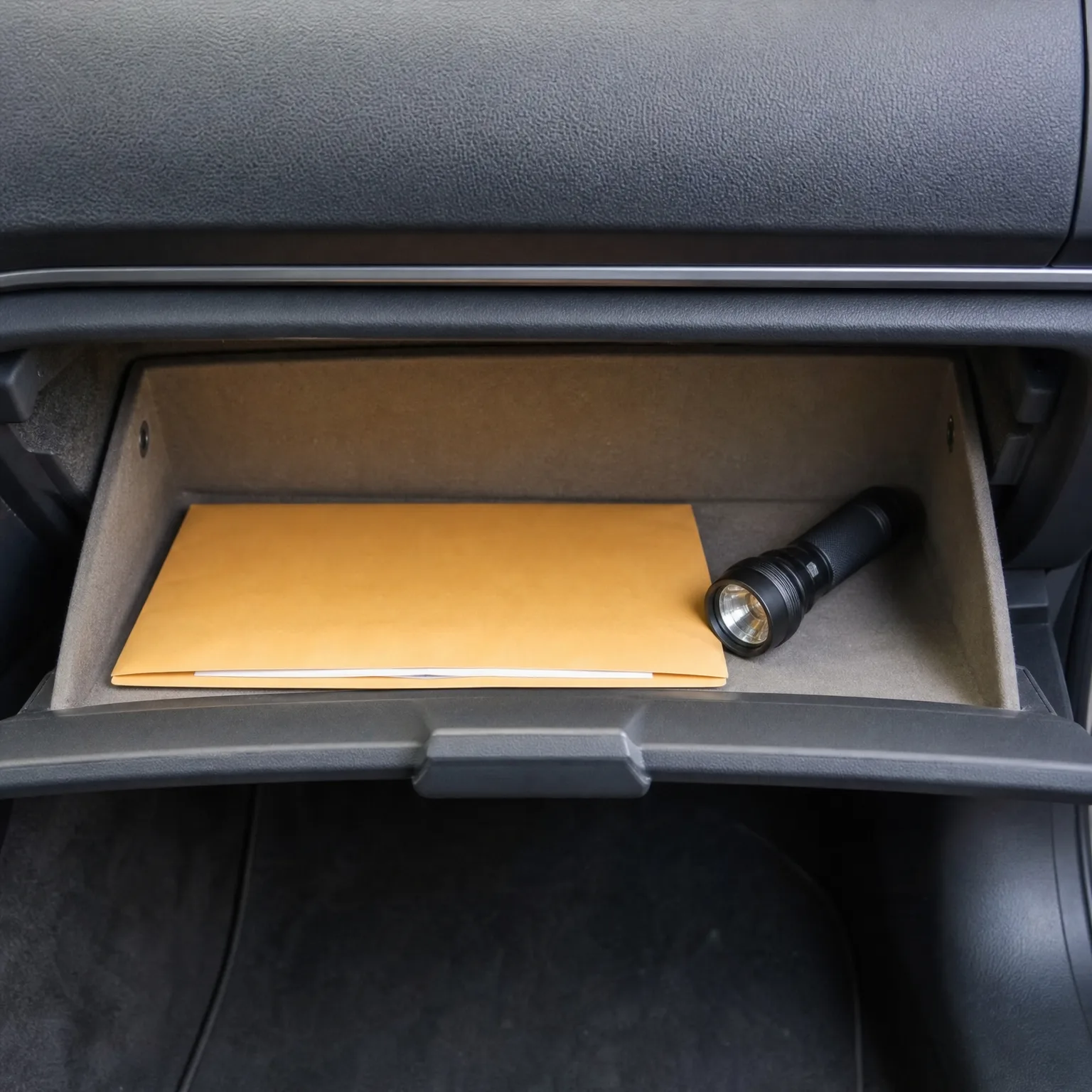
What decides who pays when something happens
- Your policy pays first Your insurance is the first line of defense for any damage, theft, or accident. Make sure your policy meets the lease's minimum requirements before you drive off the lot.
- Gap coverage closes the balance If the car is totaled, gap coverage pays the difference between its value and what you still owe. Check whether your lease already includes it or if you need to add it yourself.
- Turn-in wear is separate Normal wear is expected, but anything beyond that gets billed to you at lease end. Keep records and photos of the car's condition throughout the lease to dispute unfair charges.
- Deductibles are still yours Filing a claim means you pay your deductible just like any owner would. Budget for that cost separately from your monthly lease payment.
- Higher limits are often required Leasing companies often require higher liability and lower deductible limits than you'd choose on your own. Read the lease's insurance section closely so you're not underinsured without knowing it.

Now that you know who's responsible for what, compare quotes that meet your lease's exact requirements.

Whether you add gap coverage to your lease
If you do
If the car is stolen or totaled, gap coverage pays the leftover balance your regular insurance doesn't cover. You walk away without owing for a car you no longer have. It usually costs little compared to the protection it gives, and many leases bundle it in automatically, so check before paying twice.
If you don't
If the car is stolen or totaled, you could owe the difference between its value and what's left on the lease, straight out of pocket. That gap can be large early in the lease, when depreciation outpaces payments. You'd still owe the leasing company even without the car.
Does my insurance go up because I'm leasing instead of buying?
Often yes, because leasing companies require higher liability limits and lower deductibles than many owners would choose on their own. The increase depends on what you were carrying before and what your specific lease demands. Check your lease's insurance section for exact minimums, then compare that to your current policy. If you already carry high limits, the difference may be small or nonexistent.
What happens if I get into an accident and the car is declared a total loss?
Your insurance pays out the car's value, and gap coverage, if you have it, pays what's still owed beyond that. Without gap coverage, you're responsible for the remaining balance yourself. What changes the outcome is whether gap coverage was included in your lease or purchased separately, so check your lease documents and your policy before assuming you're covered.
Can I use my own mechanic for repairs on a leased car?
Usually yes, since the leasing company doesn't control repair decisions, your insurer does. Some insurers have preferred shops or direct repair programs, but you typically have the right to choose your own. What matters more is keeping repairs documented well, since the leasing company will inspect the car's condition at turn-in regardless of who did the work.
The leasing company owns the car, but you own every dollar of risk until you hand back the keys.