What Does Fair Wear and Tear Look Like on a Lease
Fair wear and tear is the ordinary aging from normal driving, while anything beyond that is damage the leasing company can bill you for.

A Scuffed Bumper at Turn-In
A driver turned in a sedan after three years of normal commuting. The tires were worn evenly near the end of their life, there were a few small door dings from parking lots, and the carpet showed light fading from sun exposure. The inspector noted all of it but classified every item as normal wear, so nothing was charged.
The same car also had a cracked windshield from a highway rock and a six-inch scrape on the rear bumper from backing into a post. Those two items got flagged as excess wear. The driver had photos from when the damage happened and had already filed an insurance claim for the windshield, which covered that repair. The bumper scrape wasn't insured because the driver hadn't reported it, so that cost came out of pocket at turn-in.

The short version
Fair wear and tear covers normal aging, like minor scuffs, worn tires, and light interior fading. Anything affecting function, safety, or resale value counts as damage you'll likely pay for. Read your lease's wear standard now and keep photos of the car's condition throughout the lease.
Who Decides What Counts as Excess Wear?
The leasing company decides, using a written standard that's part of your lease agreement. That standard describes size limits for scratches and dents, acceptable tire tread depth, and what counts as normal interior wear versus staining or tearing. It's not a judgment call made on the spot. An inspector compares the car against that written standard, item by item.
This matters because the standard varies by leasing company, so the same scuff that passes on one lease might get charged on another. Read the wear and tear section of your lease before you sign, not at turn-in. If anything is unclear, ask the leasing company directly what their standard says for tires, glass, paint, and interior condition, since those are the categories where most disputes happen.
Knowing what your lease expects at turn-in, you're ready to compare insurance quotes that cover real damage.
What Separates Normal Wear From Chargeable Damage
- Size and depth matter A small scratch that doesn't go through the paint is usually fine, but one that exposes metal or is wider than a few inches often isn't. Measure or photograph anything you're unsure about before turn-in.
- Function beats appearance A worn seat fabric is normal, but a torn seat or a cracked dashboard is not, because it affects how the car functions or looks to the next buyer. Fix anything that affects use, not just looks, before you return the car.
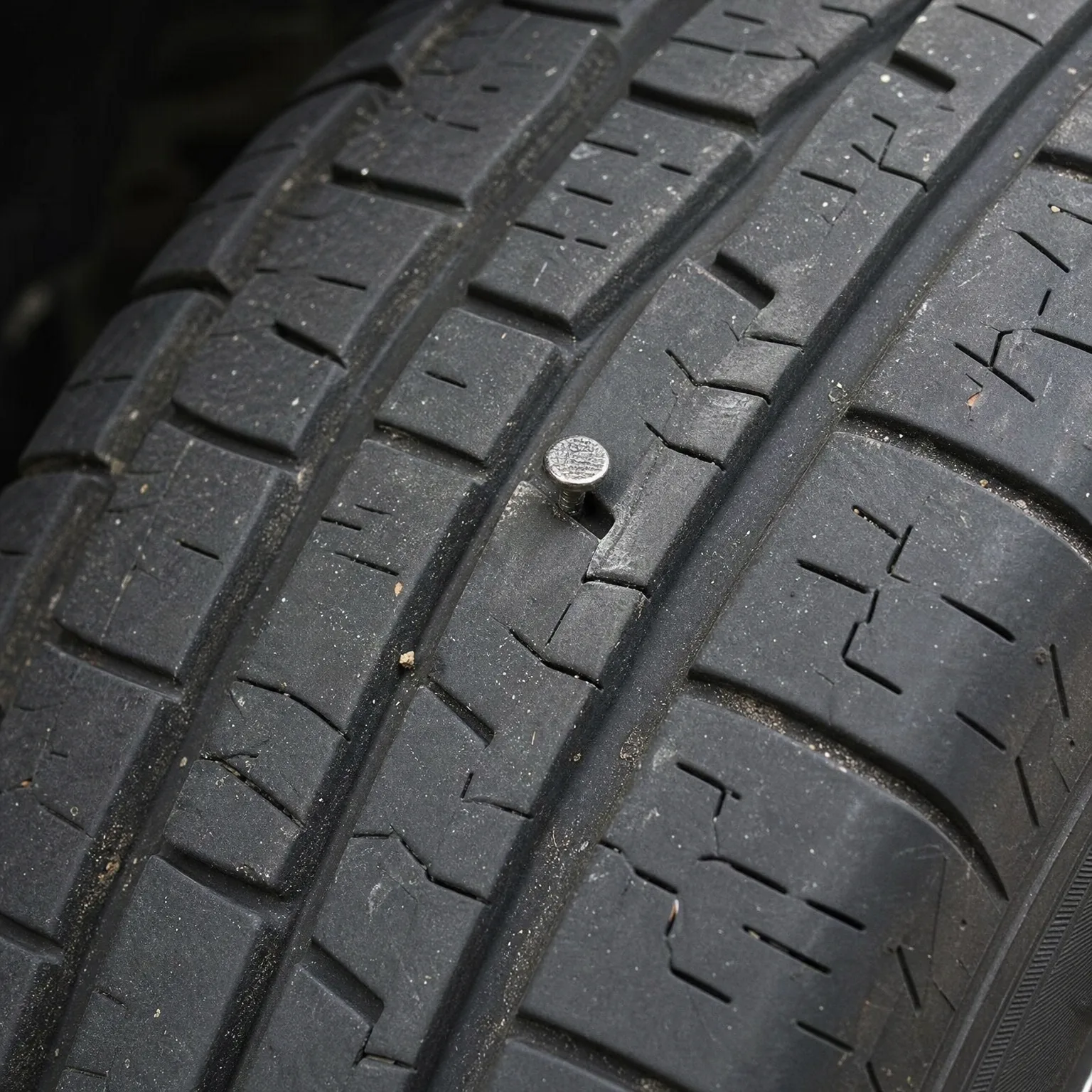
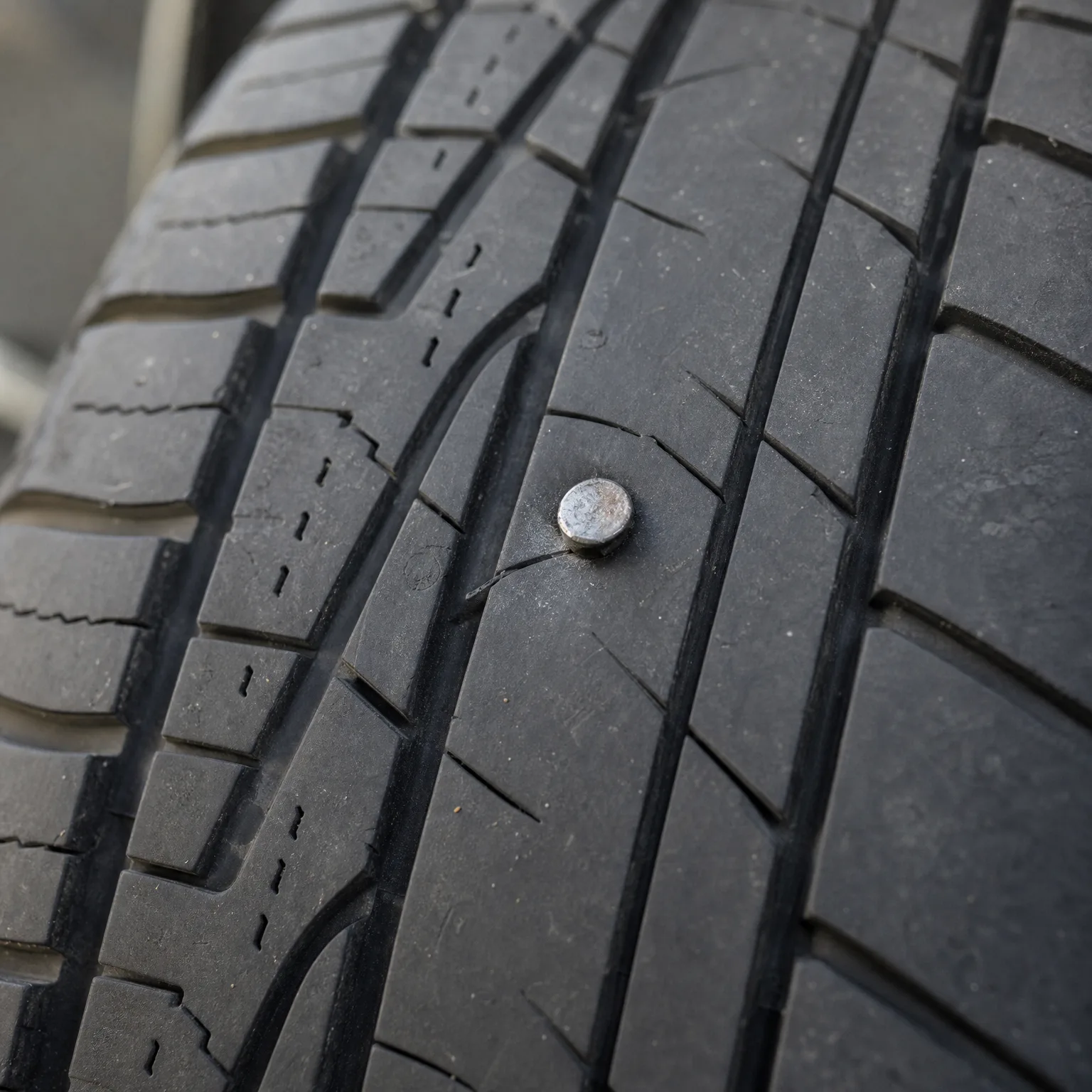
- Tires and glass have limits Tread depth and windshield cracks are judged against specific limits in your lease, not general impressions. Check those two items specifically, since they're common sources of surprise charges.
- Document pre-existing damage If something was already wrong when you leased the car, you need proof it was there from day one. Take dated photos at pickup and keep them somewhere you can find them easily when the lease ends.
- Use the early inspection option Many leasing companies offer an inspection weeks before your official turn-in date. Use it, because it gives you time to repair anything flagged instead of paying the leasing company's repair markup.
Why the Line Isn't Always Obvious
Leasing companies write wear and tear standards because they need the car to sell at a predictable price when it comes back. A car with chipped paint and a worn interior loses value fast on the resale market, and the standard exists to separate ordinary depreciation from damage that cuts into that value unexpectedly. The company built that cost into your monthly payment already for normal wear, which is why small stuff is excused.
The harder cases are things that sit in between, like a two-inch scratch or a small dashboard crack. Inspectors use the written standard, but there's still some judgment involved, especially for interior wear that's hard to measure precisely. This is where documentation helps you, because photos from throughout the lease show the inspector this wasn't new or sudden.
Wear standards also differ by leasing company and sometimes by vehicle type, since a higher-value car may have a stricter standard than an economy model. Check your specific lease agreement rather than assuming a general rule applies, because what passed on a friend's lease with a different company might not pass on yours.
The exception that changes everything is damage from an accident or a covered event, like hail or theft attempt. That's not wear and tear at all, it's damage your insurance should address separately, often through a claim rather than an out-of-pocket turn-in charge. Knowing the difference between ordinary aging and an insurable event is what keeps you from paying twice.
Does gap insurance cover excess wear and tear charges?
No, gap insurance only covers the difference between what you owe on the lease and what the car is worth if it's totaled or stolen. Excess wear and tear charges are a separate bill from the leasing company at turn-in, unrelated to a total loss. If you want protection against those charges specifically, look for a wear and tear waiver, which some leasing companies offer as an add-on.
Can I repair damage myself before turn-in instead of paying the leasing company?
Yes, and it's usually cheaper to do it yourself with a qualified shop than to let the leasing company handle it. Get the repair done before your scheduled turn-in inspection so it's not flagged. Check your lease for any requirement that repairs use specific parts or shops, since some leases are specific about this.
What happens if I disagree with the wear and tear charges after turn-in?
You can dispute the charges, and your documentation from throughout the lease is what makes that dispute work. Contact the leasing company with your photos and ask for a reinspection or itemized explanation of each charge. If the charges still seem wrong, check whether your state has a consumer protection agency that handles lease disputes, since that process varies by state.