What Will Block a Key Fob Signal
Metal and certain shielded materials block a key fob signal, which is exactly why they're used to stop relay theft.
Why metal stops the signal and thin walls don't
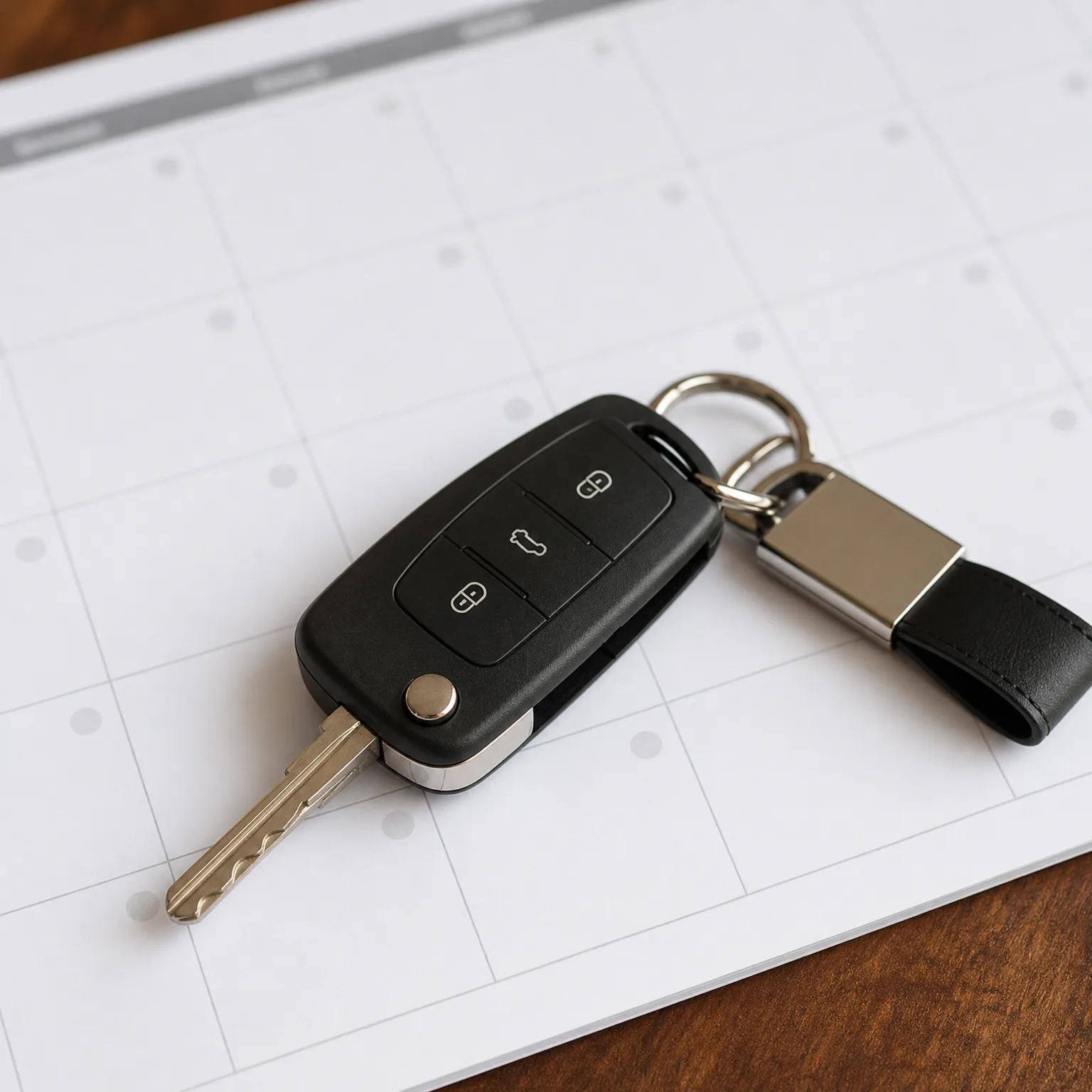
A key fob works by sending a low power radio signal to your car. Anything that interferes with radio waves can weaken or block that signal, and metal is the most effective blocker because it reflects and absorbs radio frequencies rather than letting them pass through.
This is why a metal box, a lined pouch, or even a microwave or refrigerator can stop your fob from communicating with your car. The metal forms a barrier the signal can't get through. Ordinary household walls, wood doors, and glass don't do this, which is why thieves can sometimes pick up your fob's signal from inside your house using a relay device, then use it to unlock and start your car in the driveway.
Distance matters too, but less than most people think. A fob can often be read from several feet away with the right equipment, so simply keeping your keys across the room isn't reliable protection. What actually works is a physical barrier that interferes with the radio frequency itself, not just space.
Where this gets inconsistent is in how well a given pouch or box is made. Cheap signal blocking pouches sometimes don't fully shield the fob, especially after wear and tear. If you're relying on one, it's worth testing it occasionally by seeing if your car still unlocks when the fob is inside.
What actually blocks a fob signal
- Metal boxes and tins A solid metal container fully blocks the signal. Keep your fob in a small metal tin or box near your door instead of on an open hook.
- Faraday pouches These are lined with metal mesh or foil designed to block radio signals. Buy one made for this purpose, not a generic pouch, and check it still works periodically.
- Your refrigerator or freezer The metal lining blocks the signal effectively. It's an odd but genuinely reliable overnight spot if you don't have a pouch handy.
- Distance alone won't do it Walls and doors don't stop radio signals the way metal does. Don't assume keeping your fob in another room is enough protection.
- Wrapping in foil Household aluminum foil can work if it's wrapped tightly with no gaps. It's not elegant, but it's a free option in a pinch.
Does blocking my fob actually affect my car insurance?
Indirectly, yes. Most insurers don't ask whether you use a signal blocking pouch, but they do care about theft risk, and relay theft is a growing cause of claims for keyless entry cars. If your car is stolen this way and you took no reasonable precautions, that generally doesn't void your claim, since insurers typically still cover theft regardless of the method used.
Where it matters more is prevention and cost. Fewer theft claims in your area or for your vehicle model can help keep rates lower over time, and some insurers offer discounts for verified anti-theft devices, which may or may not include signal blocking. Ask your insurer directly whether blocking pouches or steering locks qualify for any discount, since this varies by company.
Once you know how to stop relay theft, compare quotes to see which insurers reward that with a lower rate.

Blocking your fob's signal overnight
If you do
You store your fob in a metal tin, pouch, or the fridge every night. A thief's relay device can't pick up a signal that isn't being emitted, so your car stays silent and unreadable from outside. This removes the easiest method thieves use to steal keyless cars without ever touching your keys.
If you don't
Your fob keeps transmitting a signal even at rest, often reachable from outside your home. A relay device nearby can catch and amplify that signal, tricking your car into unlocking and starting. This is one of the most common ways keyless cars are stolen with no sign of forced entry.
A driveway theft that started inside the house
A driver parked their keyless entry car in the driveway every night and kept the fob on a hook by the front door, a few feet from the car. One morning the car was gone with no broken glass, no alarm, and no sign of forced entry. Security footage showed two people walking up with small devices, standing near the door for under a minute, then driving off in the car.
The insurer treated it as a covered theft claim, and the payout was based on the car's value at the time. But the driver's rate went up at renewal because keyless relay theft had become common enough in their area that insurers were pricing for it. Afterward they started keeping the fob in a metal tin overnight, and when they called about the increase, the insurer noted that the anti-theft step wouldn't erase the past claim but could help going forward.
Do steering wheel locks help if my fob signal gets blocked by relay theft?
Yes, a steering wheel lock is a strong physical backup since it stops the car from being driven even if someone gets inside. It's useful because electronic signal blocking only addresses one stage of theft. Check whether your insurer offers a discount for using one, since policies vary on which anti-theft devices qualify.
Will a signal blocking pouch stop my fob from working with my car at all?
No, it only blocks the signal while the fob is inside the pouch. Take the fob out and it communicates normally with your car. The pouch is meant for storage at home or in your pocket when you're not actively using the fob, not for everyday carrying while you're near the vehicle.
Can I test whether my faraday pouch is actually blocking the signal?
Yes, place the fob inside, zip or seal it fully, then walk up to your car and try the door handle or push-button start. If the car doesn't respond, the pouch is working. Test it occasionally, since some cheaper pouches lose effectiveness with wear or if the lining gets damaged.