Is Insurance Included in Leasing
No. Leasing a car doesn't come with insurance built in, you still have to buy your own policy that meets the leasing company's requirements.
The lessor owns the car, so they set the rules on protecting it
When you lease, the car isn't yours. The leasing company still owns it and you're paying to use it for a set stretch of time. Because their asset is at risk, not just your wallet, they get to set a floor on how it's protected, and that floor is almost always higher than what someone would carry on a car they own outright.
That's why lease agreements usually require higher liability limits and require comprehensive and collision coverage with a lower deductible than you might otherwise choose. If the car gets totaled or stolen, the lessor wants to know the payout will be enough to cover what's owed on it, and they want damage from everyday driving repaired well, since the car technically reverts to them at the end.
This is also where gap coverage comes in. A leased car loses value faster than the lease balance goes down in the early months, so if it's totaled, standard insurance only pays what the car is worth at that moment, not what you still owe. Gap coverage covers that difference. Many leases require it outright, and even when they don't, it's worth having for as long as the gap between value and balance exists.
What varies is the specifics. Required liability limits, deductible maximums, and whether gap coverage is mandatory or optional all depend on the leasing company and sometimes the state you're in. Check your lease agreement itself, it will spell out the exact numbers, and call the leasing company's customer service line if anything in it is unclear before you buy a policy.
What happens if I don't carry enough insurance on a leased car?
If you don't meet the lease's required coverage, you're in breach of the lease agreement, separate from whatever happens with an accident. The leasing company can find out through your insurer, who's required to notify them of cancellations or lapses, and they can charge you for force-placed insurance, which is expensive and covers only their interest in the car, not you.
If you're in an accident while underinsured, the financial exposure is worse. You could owe money toward the car's value, or face liability costs beyond your limits, out of your own pocket. This is the scenario gap coverage and adequate limits exist to prevent, and it's worth fixing before it happens rather than after.

Now that you know what your lease requires, compare quotes that meet it without paying for more than you need.

Buying coverage that matches what the lease requires
If you do
You send proof of insurance to the leasing company, your policy satisfies their terms, and you drive without worrying about a lease violation. If the car is totaled or stolen, gap coverage closes the difference between its value and what you owe, so you're not paying for a car you no longer have.
If you don't
The leasing company can add its own insurance to your account at a much higher cost, billed directly to you. If an accident happens before that, you could owe the remaining lease balance out of pocket, on top of any liability costs beyond your limits.
Can I use my existing car insurance for a leased car?
Yes, you can often keep your existing insurer, but your policy itself has to be rewritten to meet the lease's specific requirements, it won't automatically qualify as is. Check your current liability limits and deductible against what the lease document specifies. If your current coverage falls short, your insurer can usually adjust it, but the premium will likely go up to reflect the higher limits and lower deductible the lease demands.
Who pays for damage to a leased car when I return it?
You do, unless your insurance or a separate wear-and-tear protection covers it. The leasing company inspects the car at turn-in and charges you for damage beyond normal wear, which is a narrower standard than most drivers expect. Check your lease for how it defines excess wear, and know that regular insurance covers accidents, not cosmetic wear from years of use, so budgeting separately for turn-in condition is worth considering.
Does gap insurance end when the lease ends?
Yes, gap coverage only matters for as long as there's a gap between the car's value and what you owe, and that gap typically closes well before the lease term ends. Check your lease balance against the car's estimated value periodically, some insurers let you drop gap coverage once they're close, which can lower your premium in the final stretch of the lease.
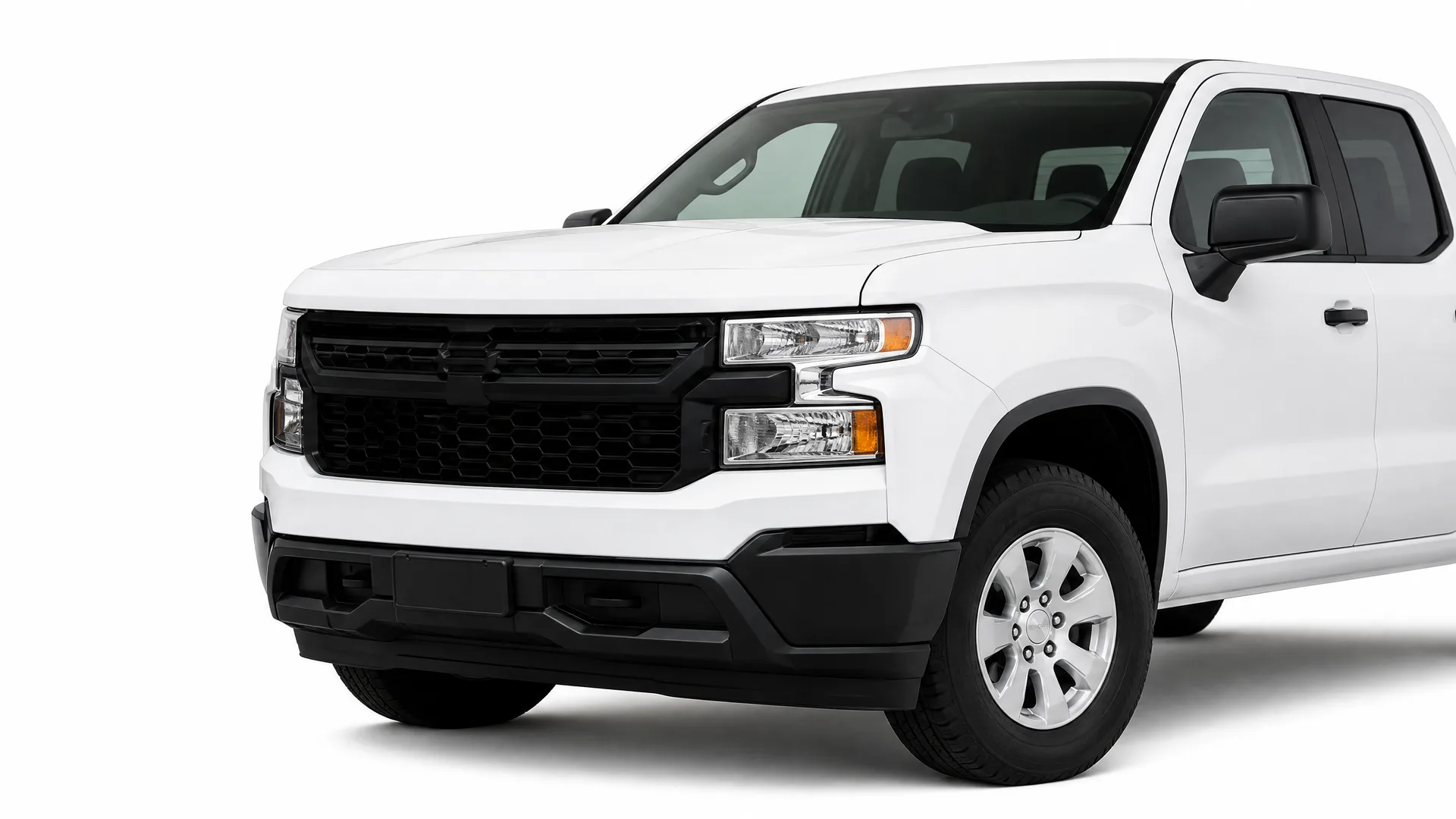
The car isn't yours, so the coverage you buy has to protect the lessor's asset, not just your own costs.