How to Avoid Lease Return Fees
You avoid most lease return fees by tracking mileage, documenting condition, and fixing damage before the inspector does.
A lease ending with curb rash and a mileage question
A driver nearing the end of a three-year lease noticed a curbed wheel and a small dent from a parking lot. Before scheduling the return inspection, they called their insurer to ask whether the dent was worth filing a claim on. It wasn't, since the repair cost less than what a claim would trigger on their record, so they paid a local shop directly and got an itemized receipt.
They also pulled their mileage history and found they were on pace to go over the lease's allowance. They called the leasing company before turn-in, not after, and asked about buying additional miles ahead of time, which cost less than paying the overage fee at return. They kept every repair receipt and the mileage paperwork together in one folder. At inspection, the appraiser noted the wheel repair and found no other charges, and the mileage had already been settled. The whole process cost them less and took less time than if they'd shown up and let the leasing company find the problems first.
Does my car insurance cover lease return fees?
No, car insurance does not cover wear and tear charges, mileage overage fees, or disposition fees at lease end. Those are contract charges between you and the leasing company, not damage from an accident or a covered event, so your insurer has no role in paying them.
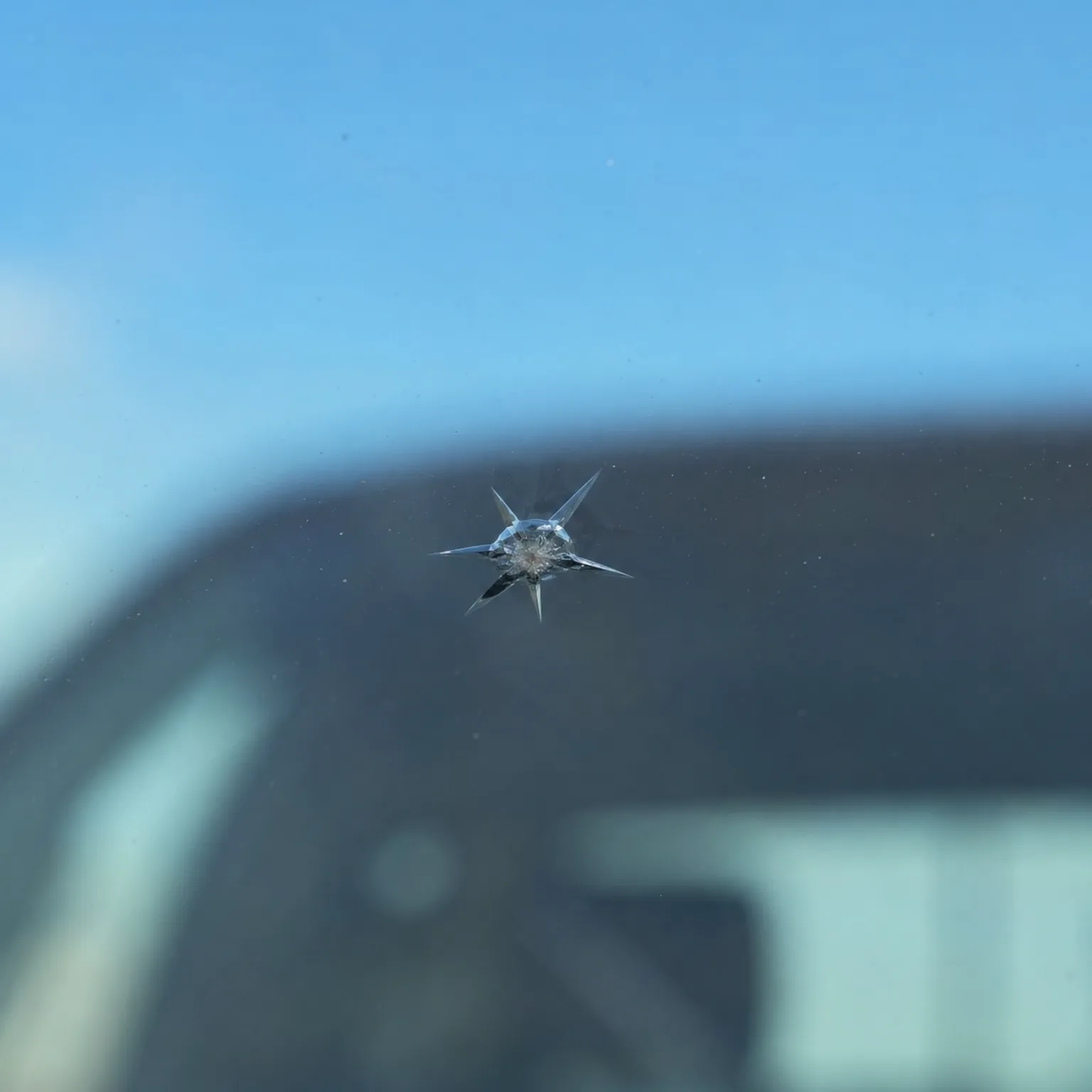
Insurance only comes in if the car was damaged in an accident, hit by weather, or stolen during the lease. In those cases a claim can cover the repair so the car is returned in good condition, which indirectly avoids a wear charge. But routine scuffs, a cracked windshield from a rock, or going over your mileage limit are costs you handle directly with the leasing company, not through a claim.

Whether you prepare before your inspection date
If you do
You catch wear issues early, get cheaper independent repairs instead of dealer rates, and walk into the inspection with paperwork in hand. The appraiser finds little to charge for. You know your mileage standing in advance and can buy extra miles cheaper than the per-mile penalty. The return takes minutes.
If you don't
The leasing company's inspector finds every scratch, dent, and tire wear issue and charges dealer rates for each one, with no room for you to negotiate or get a second opinion. Mileage overage gets billed at the contract rate, which almost always costs more than buying miles ahead of time would have.
With your repairs and mileage settled, compare quotes to confirm your coverage still matches what's left on your lease.

What actually avoids lease return fees
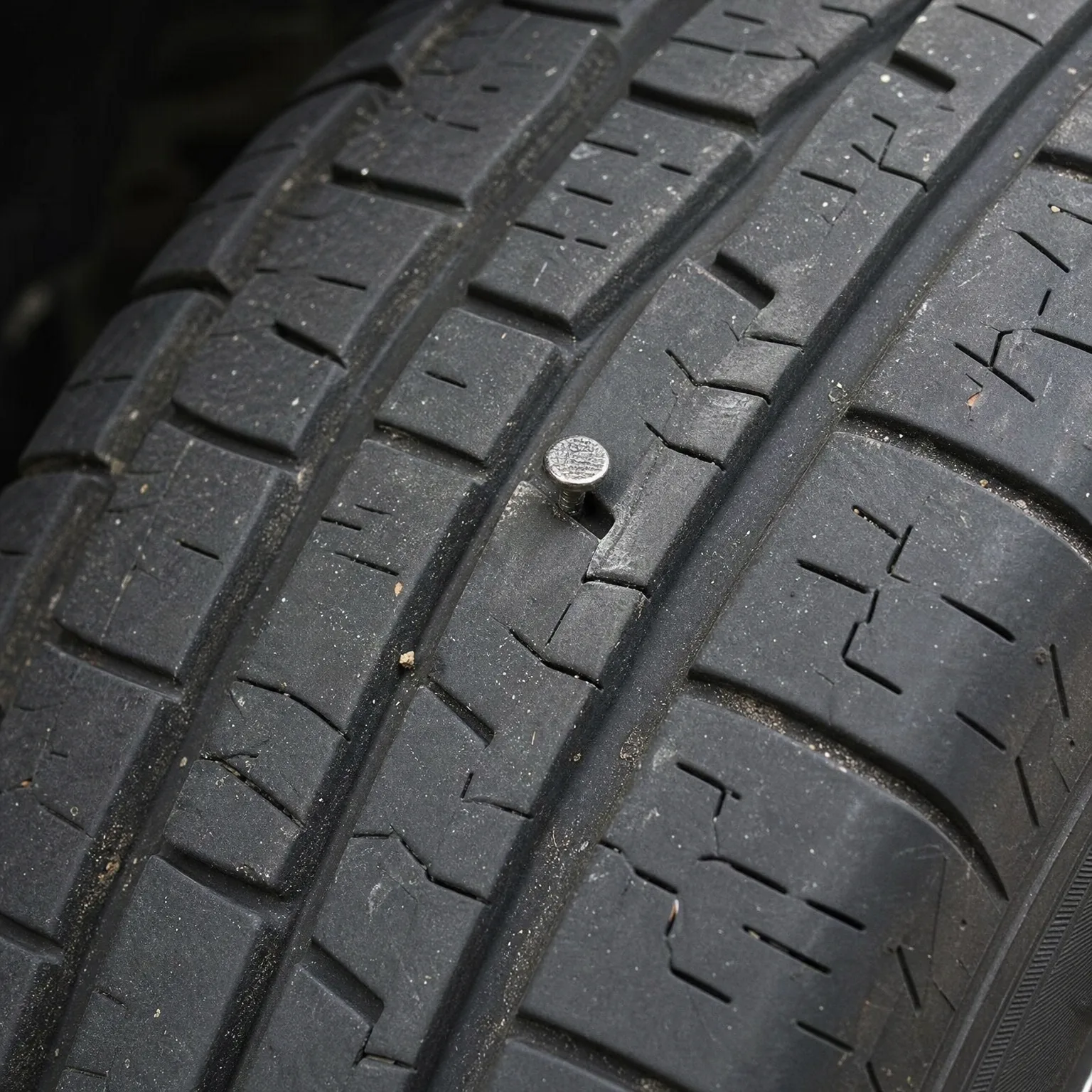
- Get a pre-return inspection Most leasing companies offer a free inspection weeks before your actual return date. Schedule it early so you have time to fix anything flagged before the final appraisal.
- Fix wear yourself, cheaper Independent shops charge less than dealer rates for dent repair, scratch touch-up, and tire replacement. Handle these before turn-in instead of letting the leasing company bill you.
- Settle mileage before return Check your odometer against your lease's allowance months in advance. If you're over, ask about buying additional miles, which almost always costs less than the per-mile overage fee.
- Keep every receipt together Repair receipts, mileage records, and any pre-inspection report are your proof if a charge is disputed. Put them in one folder and bring it to the final appointment.
- Know what counts as normal wear Lease contracts define acceptable wear and tear, and small scuffs usually qualify. Read that definition before paying for a repair that wouldn't have been charged anyway.

Lease fees are decided at inspection, so the decisions that avoid them all happen before you get there.