Does Gap Insurance Pay for a Total Loss
Yes, gap insurance covers a total loss by paying the difference between your car's value and what you still owe on the lease.
A leased car totaled eighteen months in
You leased a car and eight months later another driver ran a red light and totaled it. Your insurer sent an adjuster, valued the car at its current market price, and paid that amount directly to the leasing company. The problem was that the amount you owed on the lease was higher than that payout, because leased cars lose value faster than the payment schedule assumes early on.
That difference is exactly what gap coverage paid. Your insurer closed out its part of the claim, the leasing company told your gap provider what was still owed, and the gap payment covered the rest. You didn't write a check for a car you no longer had. The only things you still handled were your deductible and anything you owed outside the loss itself, like missed payments or fees from before the accident.
Does gap insurance cover my deductible too?
Usually not, and this catches people off guard. Gap coverage is built to close the difference between the car's value and your lease balance. It typically doesn't reimburse the deductible you pay to your own insurer as part of the total loss claim.
Some gap policies do include a small deductible reimbursement as an added feature, so it's worth checking the specific policy you have or are considering. If yours doesn't include it, you'll still owe that deductible out of pocket even though gap is paying the larger gap amount. Plan for that cost separately so it doesn't surprise you right after a loss.
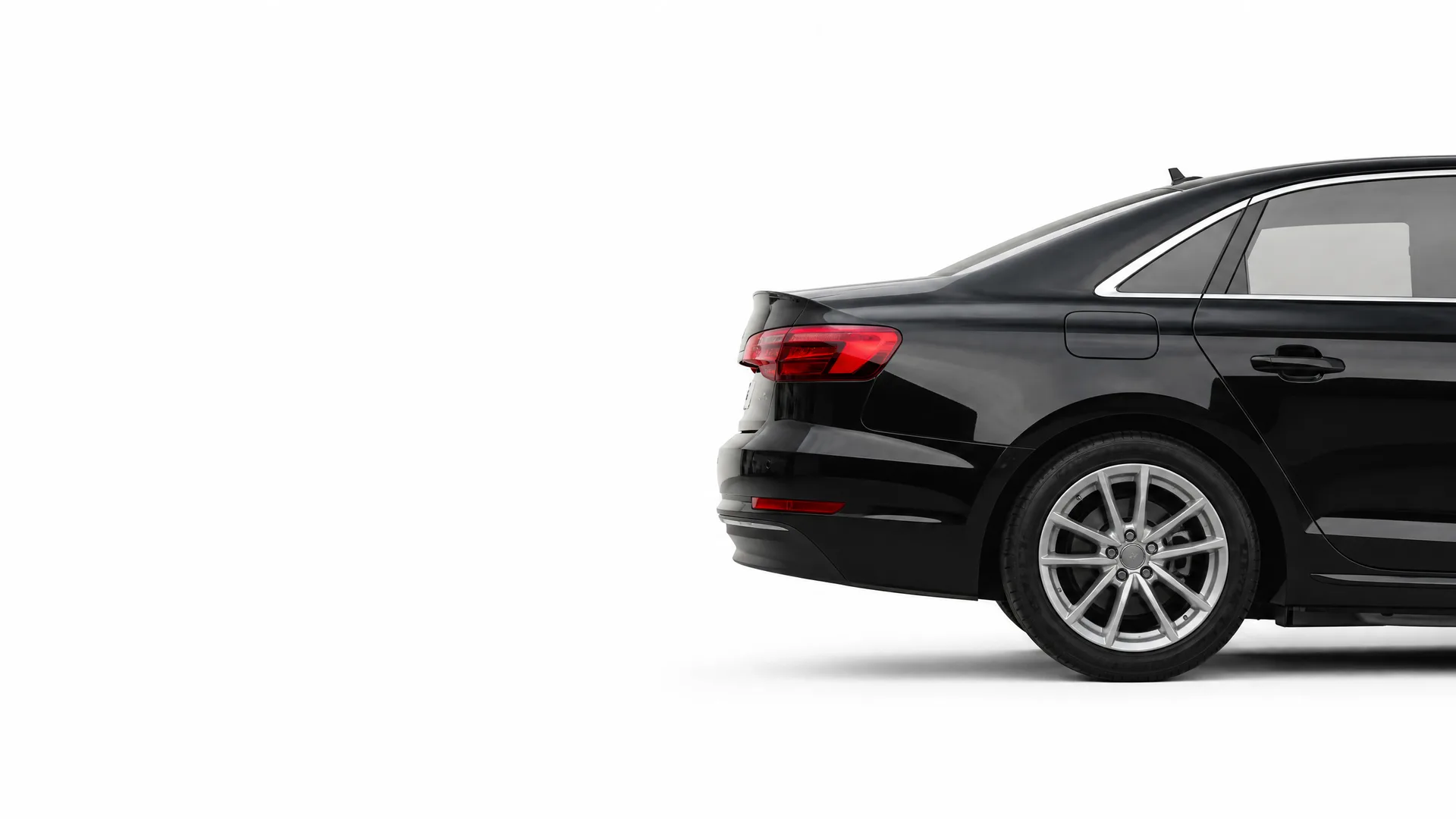
What your insurer pays and what you owe the lessor differ, and gap only closes that gap.
Compare quotes with gap coverage sized to your lease, so a total loss won't leave you owing for a car you can't drive.

Carrying gap coverage for the whole lease
If you do
If the car is totaled or stolen, your insurer pays its value and your gap coverage pays what's left on the lease. You settle your deductible, hand back the loss to both companies, and walk away without owing the leasing company for a car that no longer exists.
If you don't
If the car is totaled or stolen, your insurer still pays its value, but you owe the leasing company the rest yourself. That gap can be substantial, and you'd be paying it on a car you can no longer drive, while still needing to pay for a replacement.
Why the payout and the lease balance don't match
Your insurer pays what the car is worth right now, not what you owe on it. That value drops the moment you drive off the lot and keeps dropping every month, often faster than the lease payment schedule assumes. Lease terms are set up assuming the car will be returned or bought out at the end, not destroyed early, so the math behind your payments doesn't track the car's actual resale value month to month.
That mismatch is largest early in a lease and shrinks over time, which is why gap coverage matters most in the first stretch of leasing a car. If a total loss happens later, close to when the lease ends, the gap between value and balance may be small or might not exist at all. Some leasing companies require gap coverage for the entire term regardless, because they're the ones exposed if you don't carry it.
How the claim actually moves also depends on who you deal with. Your auto insurer handles the valuation and payout as it would for any total loss. The leasing company is the one owed money on the car, so it's the one that tells your gap provider what balance remains. You're mostly a conduit between those two conversations, though you're still responsible for your deductible and anything outside the loss, like late fees or extra mileage charges already on the account before the accident.
What gap doesn't cover is also worth knowing. It won't pay for a car that's damaged but repairable, since that's not a total loss. It won't cover payments you missed before the loss, and it won't pay out above the lease balance. Read the specific gap policy you're offered, since what counts as a total loss and how the payout is calculated can vary by insurer and by state.
Is gap insurance required by the leasing company or optional?
Check your lease agreement, because this varies by leasing company and sometimes by state. Many leasing companies require gap coverage as a condition of the lease, often bundled into your payment or sold separately. Others leave it optional, trusting you to decide. If it's required, you usually can't drop it early. If it's optional, weigh it against how much you'd owe if the car were totaled early in the lease, since that's the scenario it protects against.
Can I buy gap insurance from my own insurer instead of the leasing company?
Yes, in most cases, and it's often worth comparing both. Leasing companies frequently sell gap coverage bundled into the lease, but independent insurers and some standalone providers offer it separately, sometimes at a better price. Before switching, confirm your lease doesn't require the leasing company's specific policy. Also check that the payout structure matches what your lease requires, since terms can differ between providers.
Does gap insurance cover a stolen leased car that's never recovered?
Yes, a car stolen and not recovered is treated as a total loss, so gap coverage applies the same way it would after an accident. Your insurer pays the car's value based on its total loss process, and your gap coverage covers the remaining lease balance. Check how long your insurer waits before declaring a stolen car a total loss, since that waiting period varies and affects when the claim process actually starts.