Do Leases Charge You for Scratches
Yes, the leasing company will charge you for scratches and dents that go beyond what it calls normal wear.
The lease protects the car's resale value, not your feelings about it
When you lease, you never own the car. The leasing company still owns it and plans to sell it or re-lease it once you turn it in. Every scratch, dent, or stain lowers what they can get for it later, so the lease contract is written to make sure you pay for that lost value instead of them.
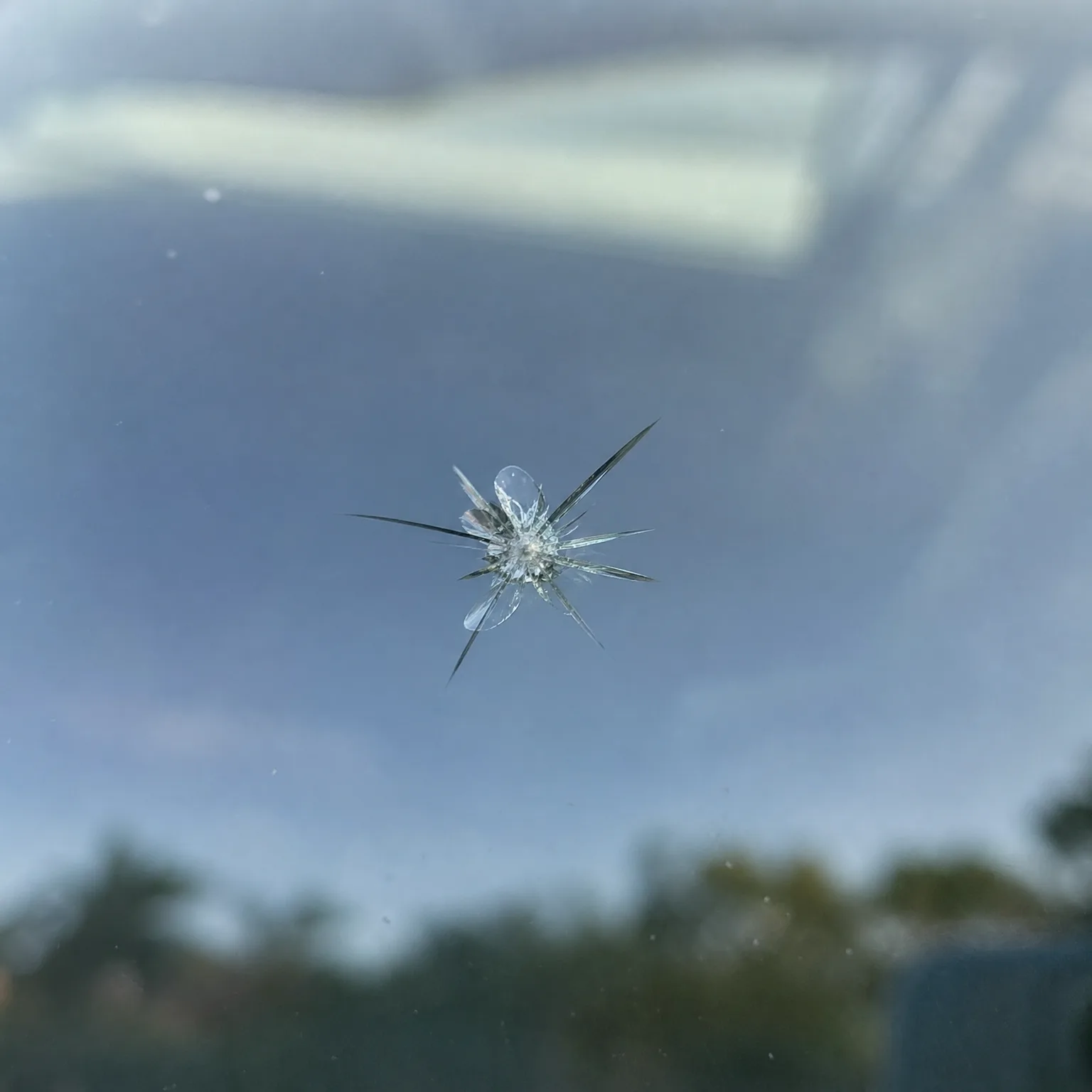
That's why leases define normal wear and tear and judge your car against it at the end. A small scuff on a bumper might pass. A cracked windshield, a dent bigger than a credit card, or worn-through upholstery usually won't. The exact line depends on the leasing company's wear and tear guide, which you should have gotten when you signed, or can ask for now.
Your car insurance plays a limited role here. If someone hits your car and it's a covered claim, your insurer pays for the repair, and a good repair job usually satisfies the lease's wear standard. But insurance doesn't cover cosmetic damage you caused through normal use, like curb rash on wheels or a torn seat, because there's no accident to claim against. That gap is yours to manage.
Some leasing companies offer a wear and tear waiver or protection plan you can buy when you sign or renew. It's not insurance, it's a separate add-on that caps what you'd owe for cosmetic damage at turn-in. Whether it's worth it depends on how carefully you expect to use the car and what the leasing company charges without it, so check your specific contract rather than assuming.
The short version
Leases do charge for scratches, dents, and other damage beyond normal wear when you turn the car in. Your car insurance won't cover most of this because it's cosmetic, not accident damage. Ask your leasing company for its wear and tear guide now, so you know the standard before you're judged against it.
What actually gets charged and what you can do now
- Get the wear and tear guide This document defines what counts as normal versus chargeable damage. Request it from your leasing company if you didn't get one at signing.
- Fix small damage yourself Minor scratches and dents are often cheaper to repair through an independent shop before turn-in than to pay the leasing company's inspection charge.
- Insurance skips cosmetic wear Your policy pays for accident damage, not scuffed wheels or a torn seat from normal use. Budget separately for cosmetic upkeep.
- Consider a wear and tear waiver Some leasing companies sell this as an add-on that limits turn-in charges. Compare its cost against what you'd likely owe without it.
- Document the car's condition Photos from day one give you proof against disputed damage claims at the end. Take them again right before turn-in.
Once you know what your lease charges for, compare quotes to cover the rest of the lease with confidence.
A scraped bumper at the end of a three-year lease
Someone leasing a sedan backed into a low post in a parking garage during their second year. The bumper got a visible scrape, not a dent, just scratched paint down to primer in one spot. They didn't file an insurance claim because the repair cost was close to what filing would have cost them in future premium increases, and the damage wasn't affecting how the car drove.
Before turn-in, they pulled out the wear and tear guide from their original lease paperwork and found that paint damage larger than a few inches was listed as chargeable. They got a quote from an independent body shop to repair just that panel, which cost far less than the leasing company's inspection fee would have been for the same damage. They had it fixed two weeks before the car went back, kept the receipt, and the inspector at turn-in noted no exceptions. Comparing the repair cost to the alternative made the decision easy once they actually read the guide instead of guessing at the standard.
The lease judges your car by a written standard, not your own sense of normal wear.