Car Lease vs Car Loan for Insurance
A lease requires higher liability limits and more coverage than a loan, because the leasing company owns the car and protects its value.
What a lease changes about your coverage
- Higher liability limits Lessors usually set minimum liability limits above what state law requires. Check your lease agreement's insurance page for the exact numbers before you buy a policy.
- Mandatory full coverage You can't carry only liability on a leased car. The lessor requires comprehensive and collision too, since they still own the vehicle until the lease ends or you buy it out.
- Gap coverage closes the payoff If the car is totaled or stolen, your insurer pays what it's worth, not what you still owe on the lease. Gap coverage pays the difference so you're not left owing on a car you no longer have.
- Lessor named on your policy Your lease requires you to name the leasing company as an additional interested party or loss payee. Send your insurer the lessor's name and address as soon as you sign.
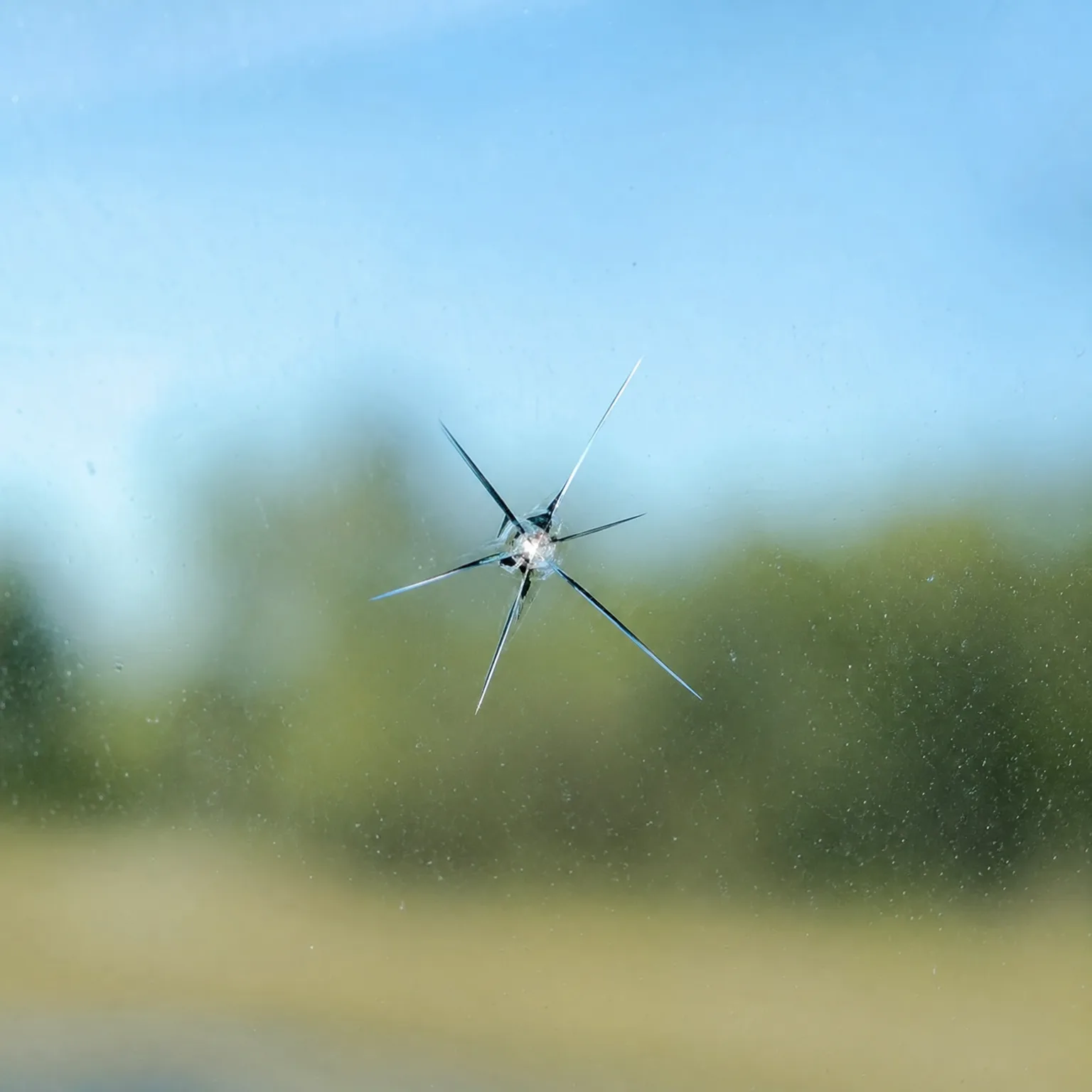
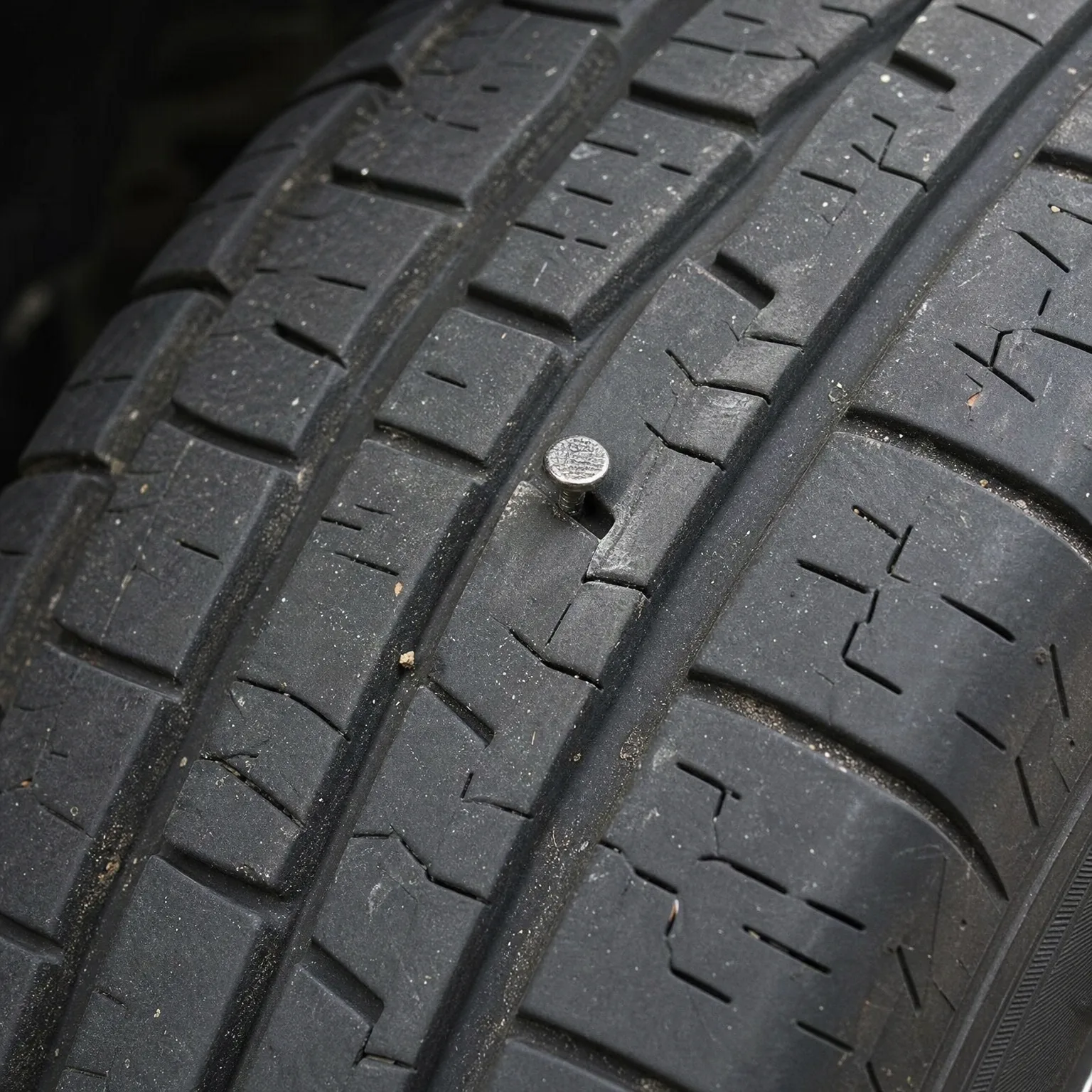
- Turn-in damage is on you Normal wear is expected, but dents, cracked glass, or worn tires can mean charges at lease end. Your insurance covers accidents, not routine wear, so budget separately for that.
What happens if my leased car is totaled?
Your insurer pays the car's actual cash value at the time of the loss, the same way it would for any owned car. That payout goes toward your lease payoff, not to you directly, because the leasing company is the legal owner and the loss payee on your policy.
The problem is that a lease payoff is often higher than the car's cash value, especially early in the lease. That's the gap gap coverage is built to close. Without it, you could owe money on a car that no longer exists, with nothing to show for it.
If you have gap coverage, you confirm the payoff with your insurer and the lessor, file the claim, and the two amounts together clear the lease. If you don't, you pay the difference out of pocket, which is exactly the scenario this coverage is sold to prevent.
Whether you add gap coverage on a lease
If you do
If the car is totaled or stolen, your insurer's payout plus gap coverage clears what you owe the lessor. You walk away without writing a check for a car you can no longer drive. Most leases require this coverage anyway, so you're meeting the contract and protecting yourself at the same time.
If you don't
If the lease requires gap coverage and you skip it, you're not actually meeting your contract, and the lessor can add their own forced coverage at a worse rate. If a total loss happens, you could owe thousands for a car that's gone, with no insurance payout to cover it.
Now that you know what your lease requires, compare quotes that include gap coverage and the right limits.
Why leasing companies ask for more than owners carry
When you lease, you're driving a car you don't own. The leasing company holds the title and is financially exposed if it's damaged, totaled, or involved in an accident that leads to a lawsuit. They set insurance requirements to protect their asset, not to protect you, which is why the limits are often higher than what you'd choose on your own.
Comprehensive and collision are mandatory because the lessor needs the car's value protected against damage, theft, and total loss, not just protected against claims you might cause to others. An owner can choose to drop that coverage once a car loses enough value to make it not worth insuring. A lessor never gives you that choice, because they're the one who takes the loss if the car is destroyed.
Gap coverage exists because of how leases are priced. Lease payments are based on the car's expected depreciation, and the payoff amount reflects that schedule rather than the car's real-time market value. Early in a lease those two numbers can be far apart, so a total loss early on creates a much bigger gap than the same loss would on a car you financed with a loan that's being paid down faster.
What varies is how each lessor spells out the requirements and how insurers price gap coverage, since some bundle it into a policy and others sell it separately. Check your specific lease contract for the exact limits and whether gap coverage is already included in your lease payment, because paying for it twice is a common and avoidable mistake.
Can I use my own insurance instead of what the leasing company offers?
Yes, in almost every case you can shop for your own policy as long as it meets the lessor's minimum requirements. Dealership or lessor-offered insurance is often more expensive than a policy you buy yourself. Check your lease paperwork for the exact liability and coverage minimums, then get quotes that match them before deciding where to buy.
Is gap coverage included in my lease payment already?
Sometimes, but not always, so check your lease contract directly instead of assuming. Some leases build gap coverage into the monthly payment, while others expect you to buy it separately through your auto insurer. If it's already included, buying it again through your insurance is a wasted cost, so confirm before adding it.
Does leasing affect my insurance rate compared to owning the same car?
Yes, usually it costs more, because you're required to carry higher limits and mandatory comprehensive and collision coverage you might otherwise skip. The rate difference comes from the coverage requirements, not from the fact that you're leasing itself. If you dropped to the lessor's minimum required coverage, your rate reflects that coverage level, the same as it would for an owned car.