Can You Lower Coverage After Buying Your Lease
Once you buy out the lease and own the car, you can drop the lessor's coverage rules and insure it like any car you own.
The requirements belonged to the lessor, not to the car itself
While you were leasing, the coverage rules came from the leasing company because they technically owned the car and wanted it protected against damage, theft, and total loss while your name was on the loan payments instead of a title. Once you complete the buyout, that company is out of the picture. There's no lienholder requiring specific limits anymore unless you financed the buyout itself, in which case your new lender takes over that role.
If you paid cash for the buyout, you own the car free and clear, and no one but your state requires you to carry anything beyond the minimum liability coverage mandated there. Everything above that, including comprehensive, collision, and gap coverage, becomes entirely your choice based on what you'd lose if the car were damaged or totaled.
If you financed the buyout through a bank or credit union, that lender will almost certainly require comprehensive and collision coverage for as long as the loan is open, similar to what the lessor required. The difference is that lenders typically don't require gap coverage the way lease agreements do, since your loan balance and the car's value tend to stay closer together than a lease balance does early on.
The one coverage worth thinking twice about dropping is gap coverage, even after a financed buyout. If you still owe more than the car is worth, which is common right after a buyout, gap coverage still protects you the same way it did during the lease. Check your loan payoff amount against the car's current value before deciding that part is unnecessary.
Should you drop comprehensive and collision now that you own the car?
Not automatically. Whether you owned the car outright through a cash buyout or financed it, comprehensive and collision coverage protect you against the same risks they always did, damage from accidents, weather, theft, and vandalism. If you financed the buyout, your lender will require this coverage anyway, so the question doesn't apply.
If you paid cash, the decision comes down to what you could afford to repair or replace the car without insurance. A car worth very little might not be worth insuring beyond liability, but a newer or more valuable car usually still justifies the coverage. Look at the car's actual value now, not what you paid for the lease, before deciding.
The buyout, not the lease ending, is what frees you from someone else's coverage rules.
Now that you know what coverage you actually need after the buyout, compare quotes to see what it costs.
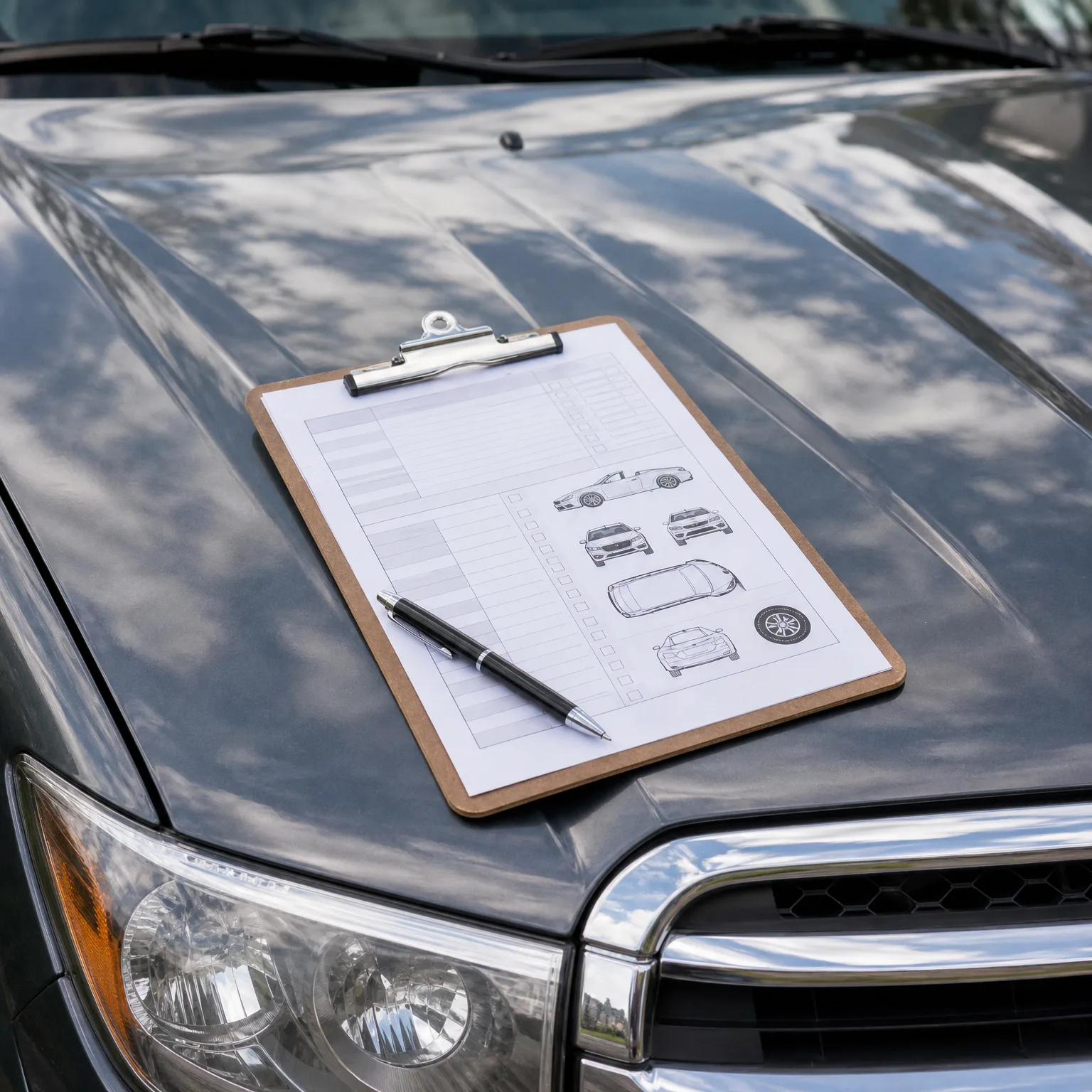
What to update once you own the car
- Remove the lessor from policy The leasing company no longer has financial interest in the car once you buy it out. Call your insurer to take them off as the loss payee or additional interest.
- Add your new lender if financed If you financed the buyout, your new lender needs to be listed on the policy instead. Give your insurer the loan account details so claims checks go to the right place.
- Reassess your liability limits The lessor likely required higher liability limits than your state minimum. Decide if you want to keep those limits for your own protection or lower them now that it's optional.
- Check your gap coverage need Gap coverage still matters if you owe more than the car is worth after the buyout. Compare your loan payoff to the car's current value before cancelling it.
- Confirm the buyout date Your policy should reflect the ownership change on the actual buyout date, not before. Update it promptly so your coverage and lienholder listing stay accurate.
Do I need gap insurance after I buy out my lease?
It depends on whether you still owe more than the car is worth after the buyout. If you financed the buyout and the loan balance exceeds the car's value, gap coverage still protects you the same way it did during the lease. Check your loan payoff amount against a current valuation for your car. If you paid cash or the loan balance is already below the car's value, gap coverage no longer serves a purpose and you can drop it.
Will my insurance rate change after buying out my lease?
It can change in either direction depending on what you adjust. If you lower liability limits or drop gap coverage, your rate typically drops. If you keep the same coverage levels, the rate often stays close to what you were paying, since the car and your driving record haven't changed. Ask your insurer for a side by side comparison before and after you make changes, so you know exactly what each adjustment saves.
Can I switch insurance companies after buying out my lease?
Yes, nothing about the buyout restricts you to your current insurer. Once you own the car, or once your new lender is listed if you financed it, you're free to shop around the same way you would for any owned vehicle. Just make sure the new policy lists your lender correctly if you financed the buyout, and time the switch so there's no gap in coverage between policies.