What Happens if You Damage a Leased Car
The leasing company charges you for damage beyond normal wear, either through your insurance or directly at turn-in.
The lessor owns the car, so they get to judge its condition
When you lease, you never owned the car, the leasing company did, and you were essentially renting it with an option to buy at the end. That means when the lease ends, the car goes back to its legal owner, and that owner has every right to inspect it and decide what counts as damage versus what counts as normal use.
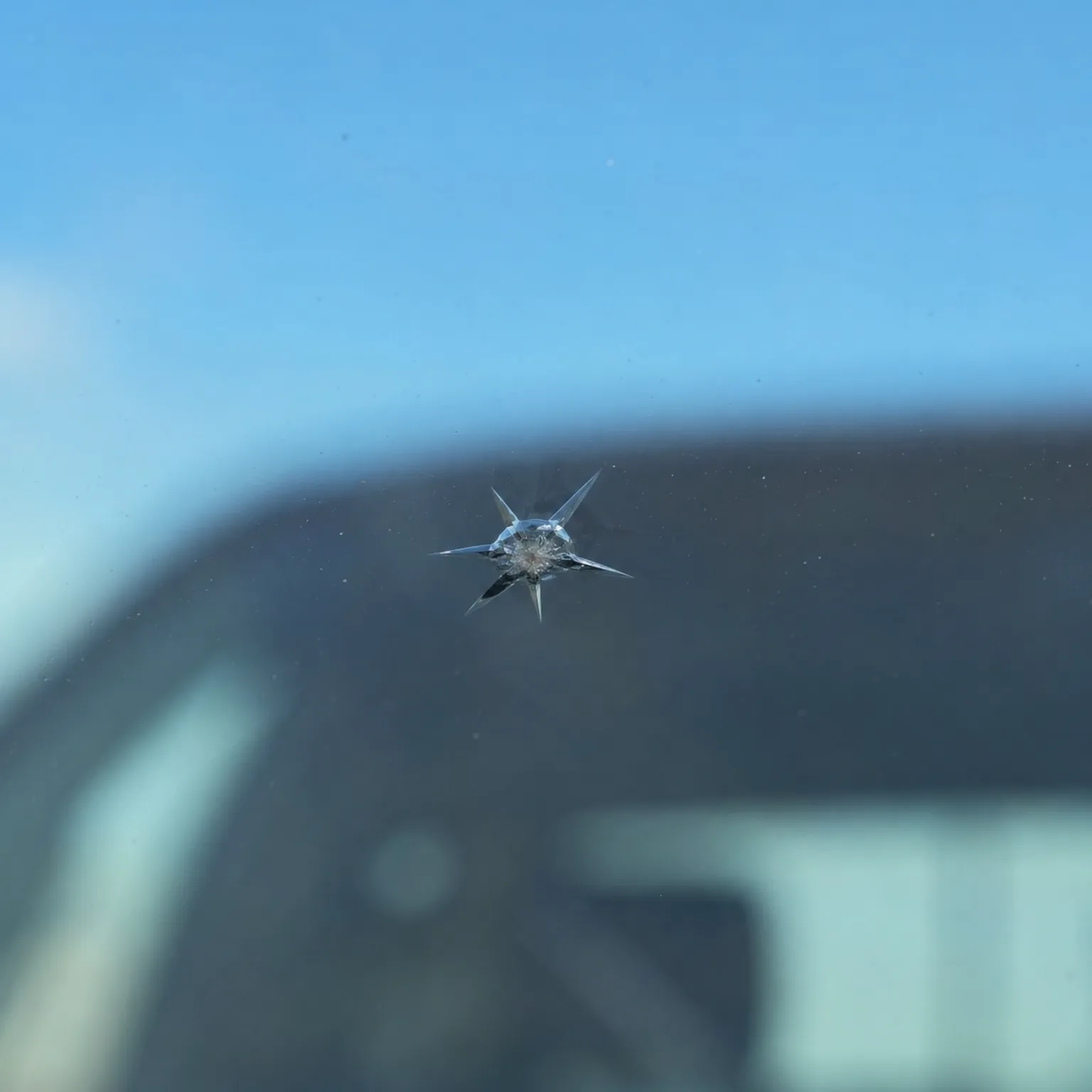
Every lease spells out a standard for wear and tear, and anything beyond that standard becomes your bill. A scuff on a bumper might be nothing, a cracked windshield or a deep dent almost never is. The company doing the inspection at turn-in works for the lessor, not for you, so their judgment calls tend to favor finding more chargeable damage, not less.
If the damage happened in an accident during the lease, your own car insurance is what responds, not some special lease policy. You carry collision and comprehensive coverage because the lessor requires it, and a claim gets filed the same way it would if you owned the car outright. The payout goes toward repairing the car or, if it's totaled, toward paying off what you owe the lessor, with any remainder coming to you.
Where this gets complicated is when the damage is minor enough that you wouldn't normally file a claim. Filing raises your rates and the deductible might cost more than the repair. Many people in this situation just pay a body shop directly and keep it off their insurance record entirely, which is often the cheaper and simpler path for small dings.
A fender bender near the end of a lease
Say you're a few months from turning in a leased sedan when someone backs into your front bumper in a parking lot. There's no note, no witness, just a cracked bumper and a scraped headlight housing. You're not at fault in any obvious way, but you have no other driver's information either.
You get two repair quotes, and the cost is more than your deductible would be after a claim, but filing against your own policy means it shows up as a claim on your record and could raise your rate at renewal. You decide to pay out of pocket instead, since the amount is smaller than what a rate increase over the next couple of years would cost, and you get the bumper and headlight replaced through a shop that specializes in matching dealer paint codes, so the repair holds up during the turn-in inspection with no deduction charged.
Normal wear doesn't cost you anything, but what counts as normal is the lessor's call, not yours.
Now that you know what coverage your lease actually requires, compare quotes to find it without overpaying.
What if the leased car is totaled in an accident?
Your comprehensive or collision coverage pays out based on the car's actual cash value at the time of the loss, and that payout goes first toward whatever you still owe the leasing company. The problem is that leased cars often depreciate faster than the lease balance goes down, so there can be a real gap between what insurance pays and what you owe.
This is exactly what gap coverage is built for. It covers that difference so you're not stuck paying off a car that no longer exists. Most lessors require gap coverage as part of the lease itself, sometimes bundled into the lease payment and sometimes sold separately, so check your lease agreement to see whether you already have it or need to buy it on your own.

Do I need gap insurance if I already have full coverage on a leased car?
Yes, in most cases, because full coverage and gap insurance solve different problems. Full coverage pays the car's current value if it's totaled or stolen, but gap insurance covers the difference between that value and what you still owe the lessor. Check your lease paperwork, since some leases include gap coverage automatically, and if so you don't need to buy it separately.
What counts as normal wear and tear on a lease?
It's whatever your specific lease agreement defines, so there's no universal standard. Generally it covers small scuffs, minor interior wear, and tire tread down to a reasonable level, while things like dents, cracked glass, and stains usually count as chargeable damage. Read the wear and tear addendum in your lease before turn-in, since lessors vary widely on how strict they are.
Can I get an independent inspection before turning in a leased car?
Yes, and it's often worth doing a few months before your official turn-in date. An independent inspection gives you time to repair anything that would otherwise be charged at a markup by the lessor's own inspector. Many leasing companies even offer a free pre-return inspection specifically so you can fix issues yourself first, so check whether yours does.