Do I Pay the Deductible Every Time
Yes, you pay a deductible every time you file a claim, whether that's once a year or three times in one month.
The deductible is tied to the claim, not to the year
A deductible is the amount you agree to cover before your insurer pays the rest of a claim. It is not an annual fee and it does not reset or get used up. Every separate incident, a cracked windshield in spring and a parking lot dent in fall, carries its own deductible, because each one is its own claim with its own payout.
This is why small claims are often not worth filing. If repair costs are close to your deductible amount, filing a claim means your insurer pays little or nothing, but the claim still shows up on your record and can affect your rate at renewal. On a leased car this matters more, since the leasing company usually requires a lower deductible than you might choose on your own, which pushes you toward filing for damage you might otherwise pay out of pocket.
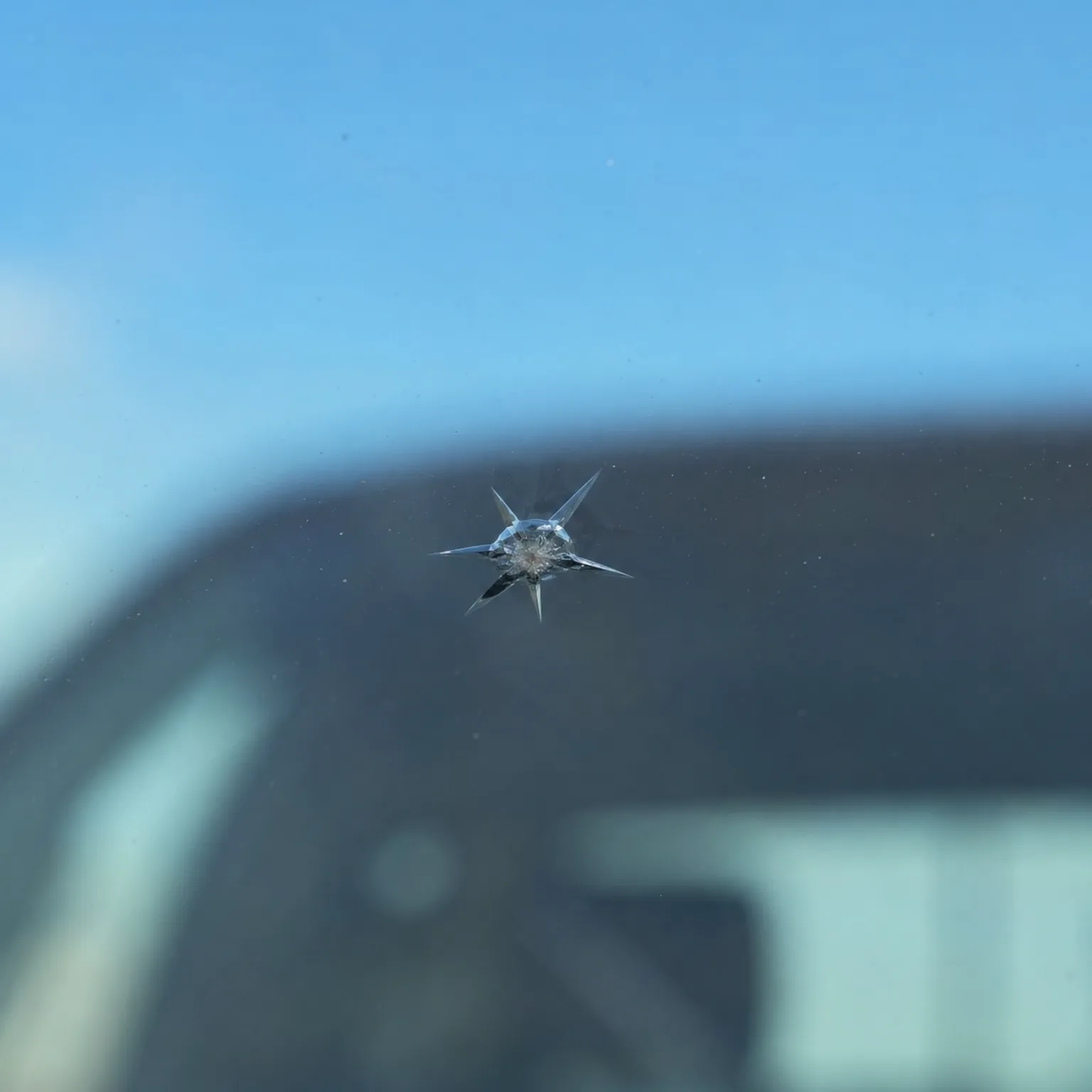
There are two deductibles that can apply, one for collision and one for comprehensive, and they are separate. A hailstorm claim and a collision claim in the same year each trigger their own deductible, even though both happened within months of each other. Check your policy to see if your state or insurer handles glass claims differently, since some waive the deductible entirely for windshield repair.
The one case where you don't pay is when the other driver is clearly at fault and their insurer covers the damage. Then their policy pays and your deductible never comes into play, because you're not filing under your own coverage at all.
Two claims in one lease year
Say you lease a car and six months in, a shopping cart dents the door in a parking lot with no witness and no other driver to blame. You file a comprehensive claim, pay your deductible, and the insurer covers the rest of the repair so the car meets the lease's condition standards at turn-in.
Three months later, you hit a deer on a rural road at night. This is also a comprehensive claim, separate from the first, so you pay the deductible again even though it's the same policy year and the same coverage type. The repairs get done, the car stays within the lease's damage limits, but you've now paid two deductibles in one year, which is worth knowing before you decide whether a small ding is worth filing for next time.

Stop treating the deductible as yearly. It's a per-claim cost, and that changes whether filing is worth it.
Once you know how deductibles stack per claim, compare quotes with a deductible level that fits how you actually drive.

Filing a claim for a small repair versus paying for it yourself
If you do
You pay the deductible, the insurer covers the rest, and the damage gets fixed to the standard your lease requires. The claim goes on your record and may affect your rate at renewal, even though you didn't cause the damage.
If you don't
You pay the full repair cost yourself with no deductible involved and no claim on your record. If the damage is close to or under your deductible amount, this often costs about the same or less than filing would.

What decides whether you pay a deductible
- Comprehensive vs collision These are two separate deductibles. A weather claim and an at-fault accident in the same year each trigger their own deductible, even under one policy.
- Fault matters If another driver is clearly at fault and their insurer pays, you don't touch your own deductible. Check your state's fault rules if liability is unclear.
- Small claims add up Filing for minor damage near your deductible amount often nets you little money but still affects your renewal rate. Weigh the repair cost against that before filing.
- Lease sets your deductible Leasing companies often require a lower deductible than you'd pick on your own. Check your lease agreement for the exact number before you set your policy.
- Glass claims may differ Some insurers or states waive the deductible for windshield repair specifically. Ask your insurer directly since this isn't universal.