Car Insurance When a Dealer Buys Out Your Lease
Once the dealer takes ownership, your coverage obligation to the leasing company ends, and you cancel the policy from the date of transfer.
Why your coverage duty ends the moment the title moves
A lease insurance requirement exists because the leasing company owns the car and wants its asset protected while you're the one driving it. That requirement is tied to ownership, not to you personally. The moment a dealer buys out the lease, ownership transfers away from the leasing company, and the reason for those higher limits disappears with it. You're no longer the one responsible for protecting someone else's asset.
This is different from a normal lease end, where you hand the car back but the paperwork and inspection can take a few days to finish. A dealer buyout is a clean transfer, usually finalized on a specific date, and your insurance obligation ends on that date rather than lingering through a return process. Once you have confirmation the buyout is complete, you have no further reason to carry that policy on that vehicle.
Where this gets complicated is timing. If you're replacing the leased car with another vehicle, you want the new policy to start exactly when the old one ends, not a few days later and not a few days early while you still technically hold the lease. Insurers handle this differently, some will let you swap vehicles on an existing policy with no gap, others want you to cancel and rewrite. Check with your insurer about how they handle the switch before the buyout date arrives.
The other variable is state rules around proof of cancellation. Some states want documentation that coverage was active until the exact date of transfer, especially if there's ever a dispute about who was responsible for the car on a given day. Keep the buyout paperwork and your cancellation confirmation together, because that's what settles any question about timing later.
The short version
When a dealer buys out your lease, your insurance obligation to the leasing company ends on the transfer date, because you're no longer responsible for someone else's asset. Cancel your policy effective that date, not before. If you're buying another car, line up the new policy to start the same day so there's no gap.
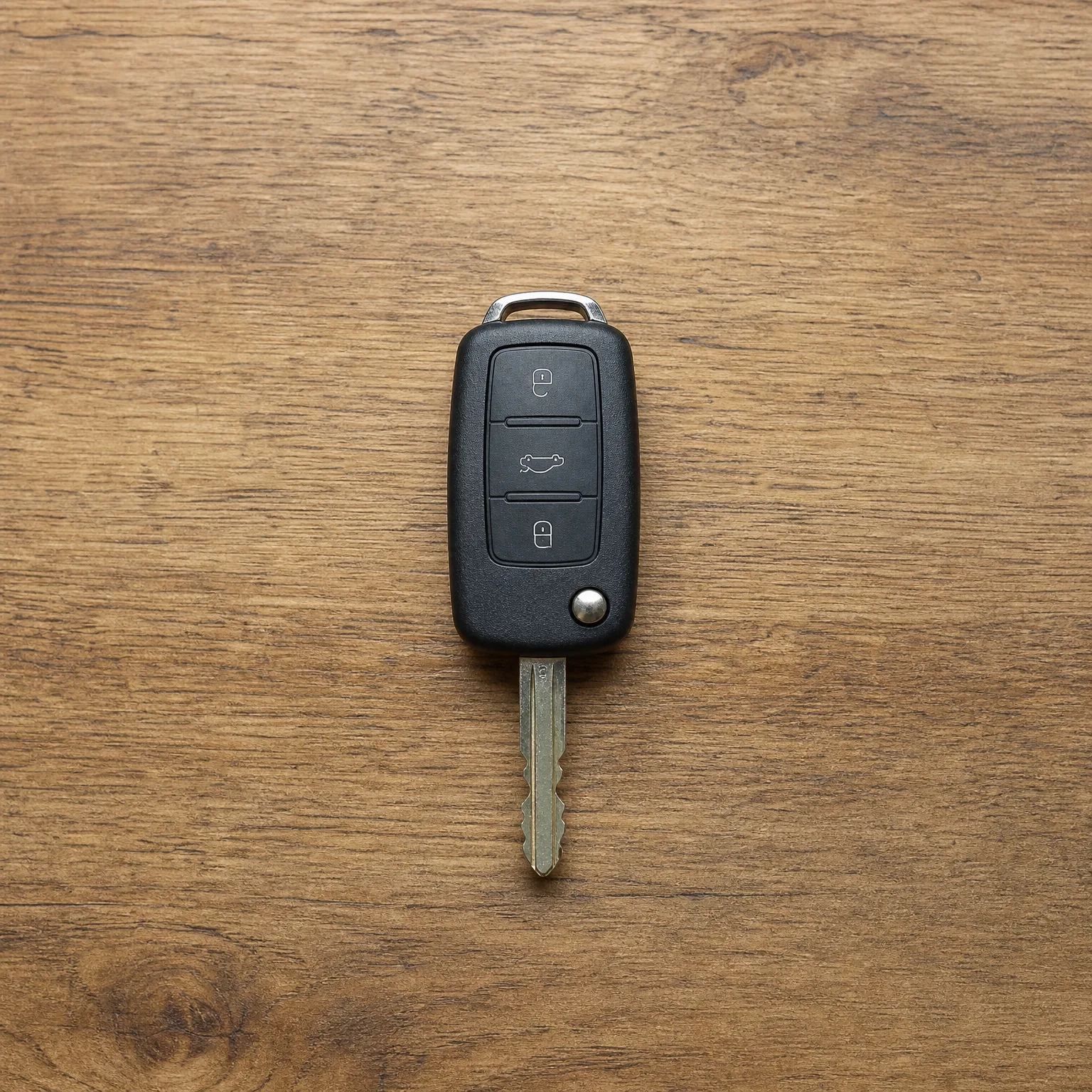
A driver timed the switch around a buyout date
A driver had eight months left on a lease when the dealer offered to buy it out early as part of a trade-in on a new car. The leasing company confirmed the buyout would close on a Friday. The driver called their insurer that week and asked how to handle the transition, since they were getting a different car from the same dealer.
The insurer offered to swap the vehicle on the existing policy rather than canceling and starting fresh, which meant no lapse and no new policy fees. The driver set the effective date of the vehicle swap for the same Friday the buyout closed, confirmed it in writing, and kept the buyout paperwork in case anything came up later. The leased car was covered right up until the transfer, and the new car was covered starting the same day, with no gap and no overlap to pay for.
Now that you know when coverage ends, compare quotes for your next car so the new policy starts without a gap.
Do I get any money back from my insurer after the buyout?
Possibly, if you paid your premium in advance and you're canceling the policy outright rather than swapping it to a new vehicle. Insurers that collected a lump sum for a policy term typically refund the unused portion when you cancel early, though some charge a small fee for canceling mid-term.
If you're keeping the same insurer and just switching the vehicle on your policy, there's usually no refund because the policy continues rather than ending. Whether you get money back depends on how your specific policy was billed and your insurer's cancellation terms, so ask directly rather than assuming either way.
What to handle when the dealer buyout closes
- Confirm the exact transfer date Get the buyout closing date in writing from the dealer or leasing company. Your insurance obligation ends on that date, not when you drop off the car or sign the final paperwork.
- Cancel on that date, not before Set your cancellation effective date to match the transfer so you're not uninsured on a car you still technically owe coverage on. Call your insurer directly rather than letting the policy lapse on its own.
- Line up your next policy first If you're financing or leasing another car through the same deal, arrange the new coverage to start the same day the old one ends. Ask your insurer if they can swap the vehicle instead of writing a new policy.
- Keep the paperwork together Save the buyout confirmation and your cancellation notice in one place. If a question ever comes up about who was responsible for the car on a given day, this is what settles it.
- Check your state's rules Some states expect proof that coverage matched ownership exactly, especially during a transfer. Ask your insurer or check your state's requirements if you're unsure what's expected.
Does my insurance rate change after a dealer buyout?
It can, because you're often moving from one coverage situation to another, like going from a leased car with lender-required limits to an owned or financed car with different requirements. Rates depend on the new vehicle, your coverage choices, and how your insurer prices that specific car, so ask for a quote on the new vehicle rather than assuming the rate carries over.
What happens to gap coverage when the dealer buys out the lease?
Gap coverage tied to the lease ends when the lease does, since it existed to cover the difference between what you owed and the car's value. Once the buyout closes, that gap no longer applies, and if you finance a new car you'll want to ask whether you need separate gap coverage for that loan.
Can I cancel my lease insurance before the buyout officially closes?
No, you shouldn't, because you're still responsible for the car under the lease terms until the transfer is final. Canceling early leaves you uninsured on a car you still owe coverage on, so wait for written confirmation the buyout has closed before you cancel anything.